








Work Description
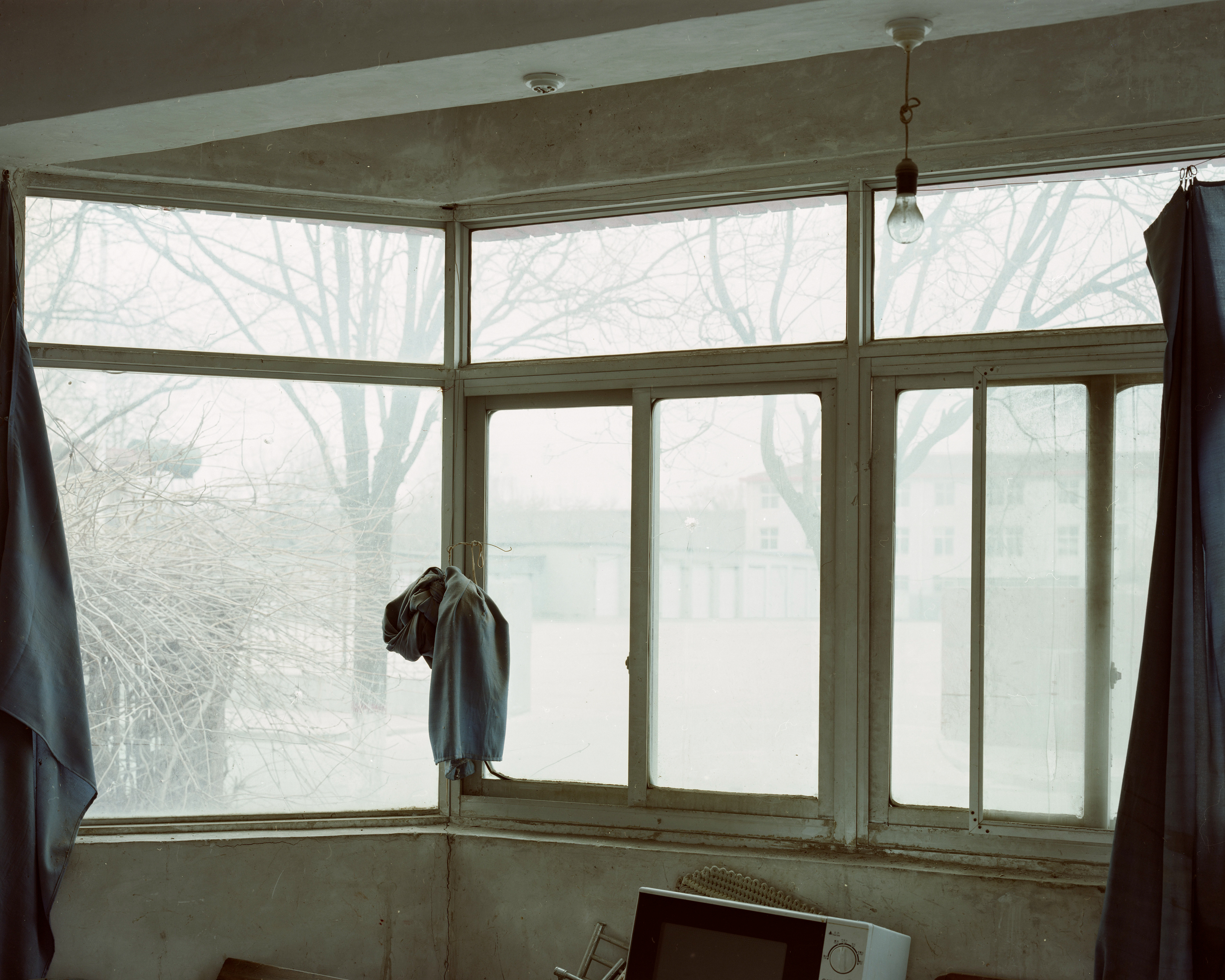
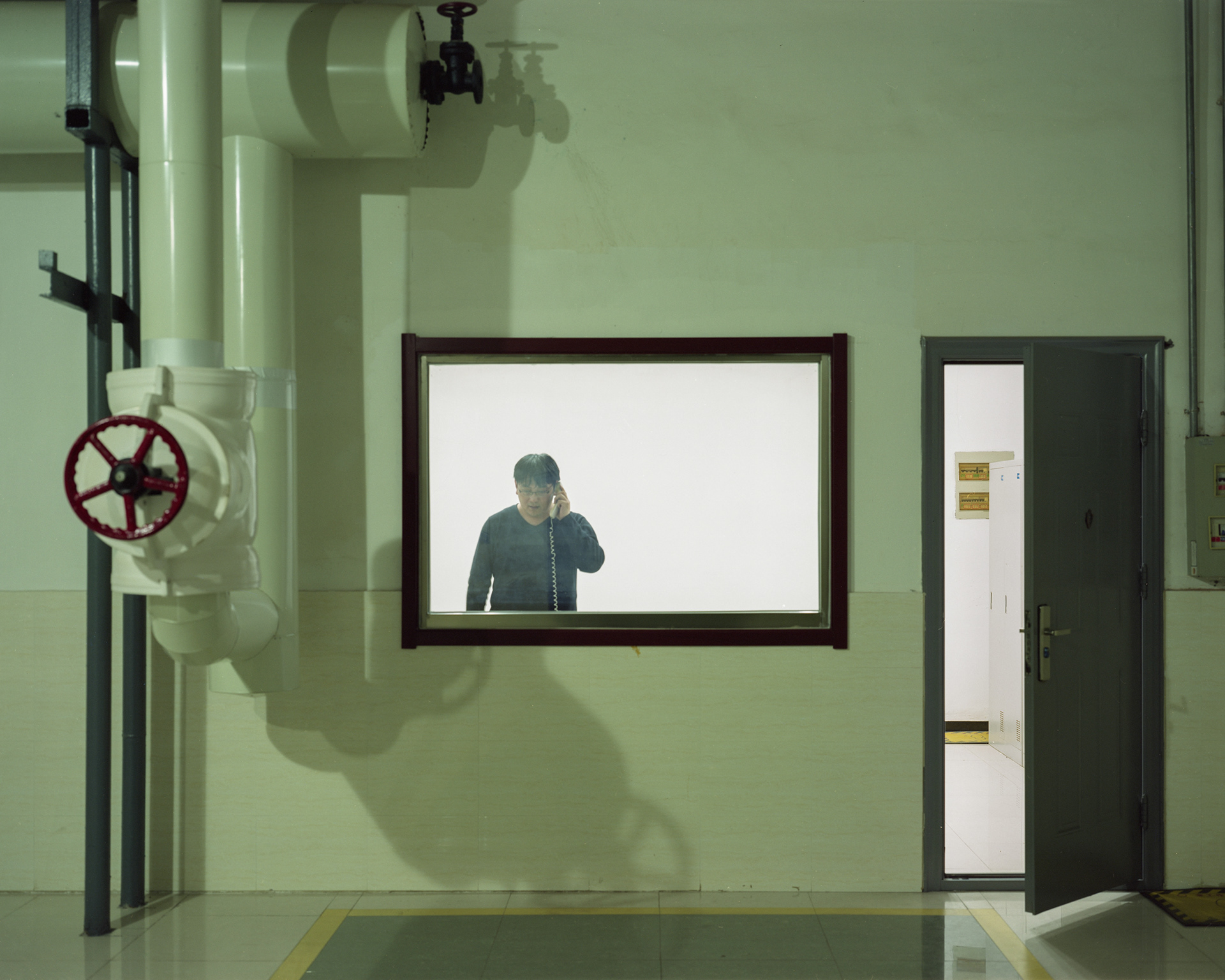
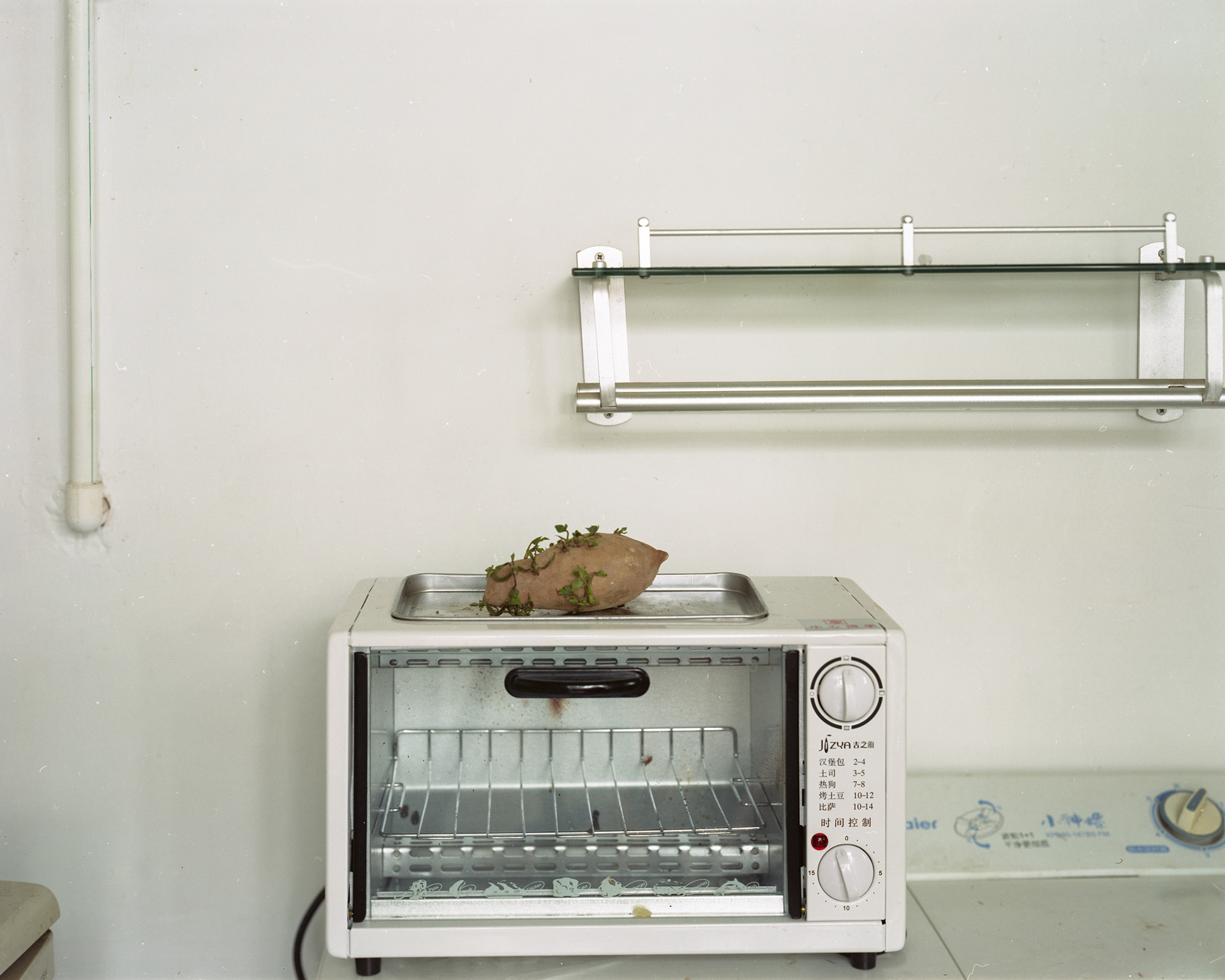
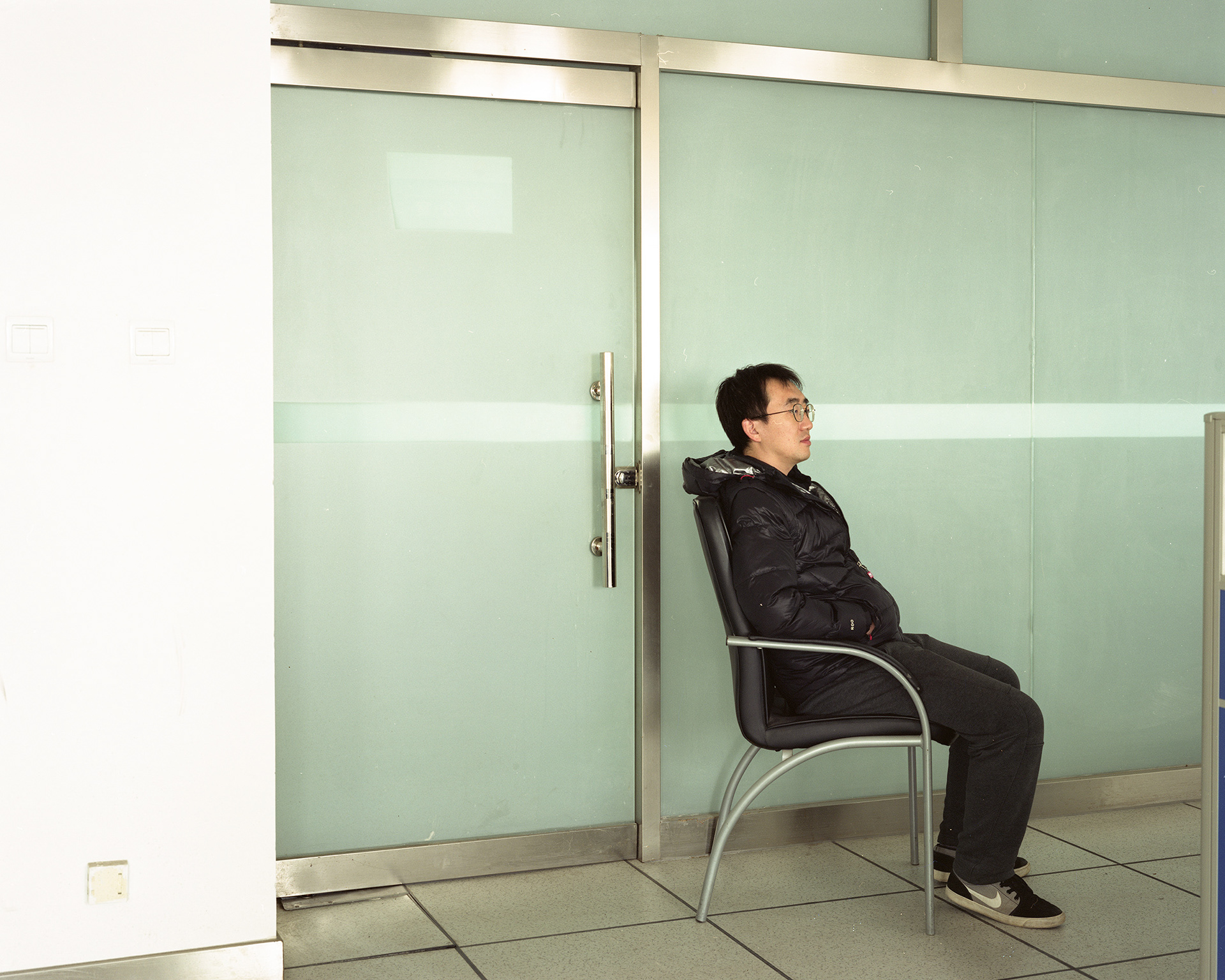
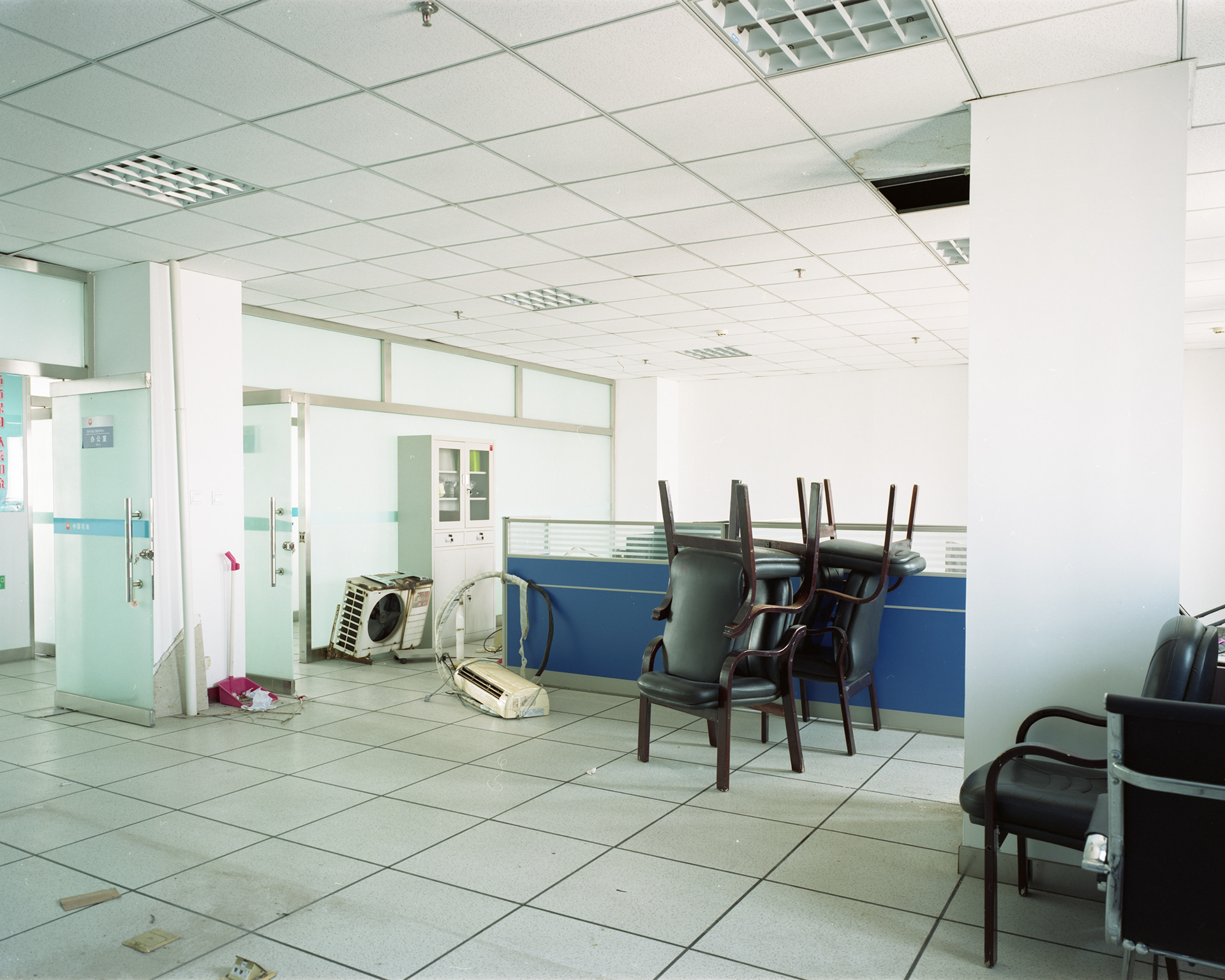
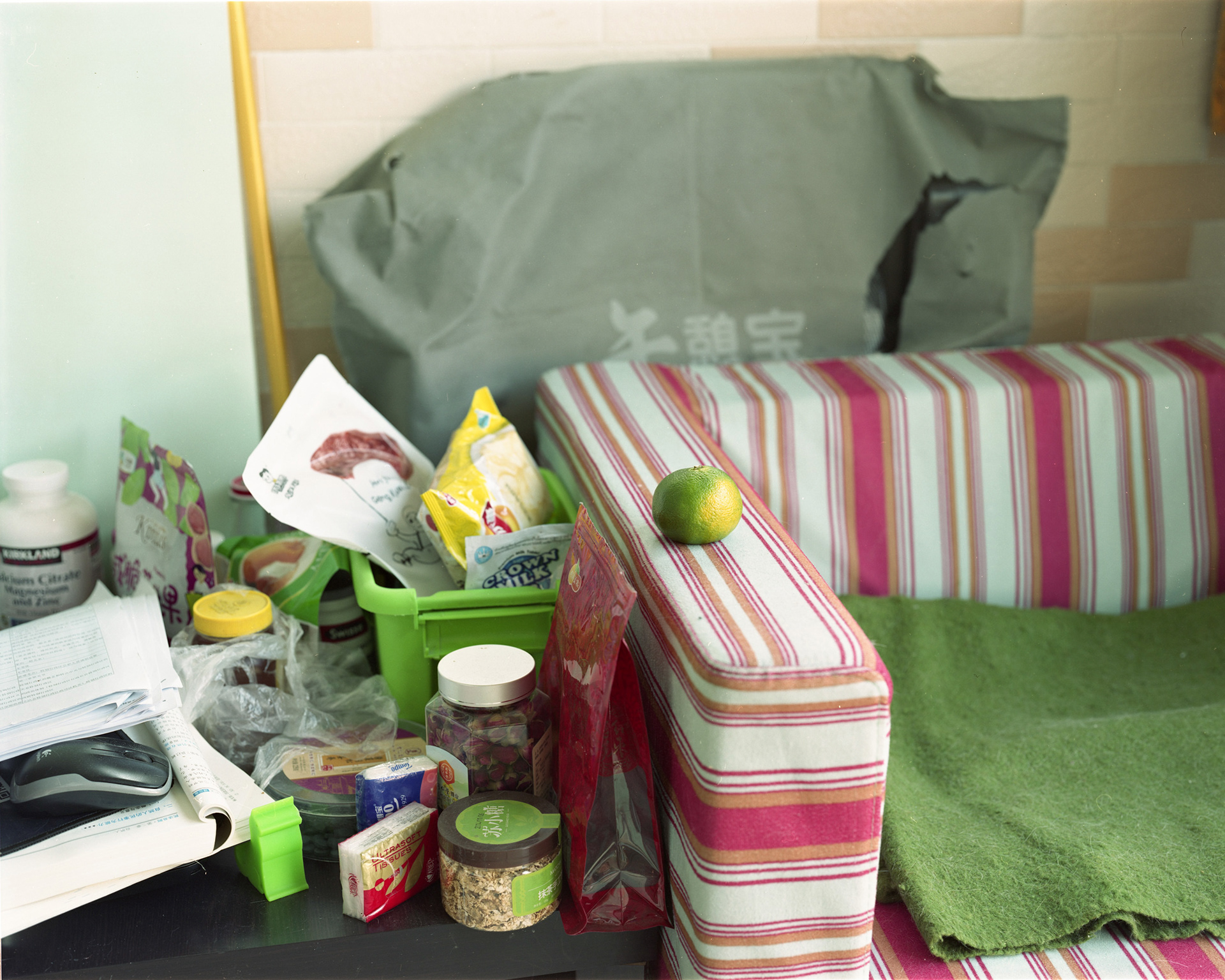
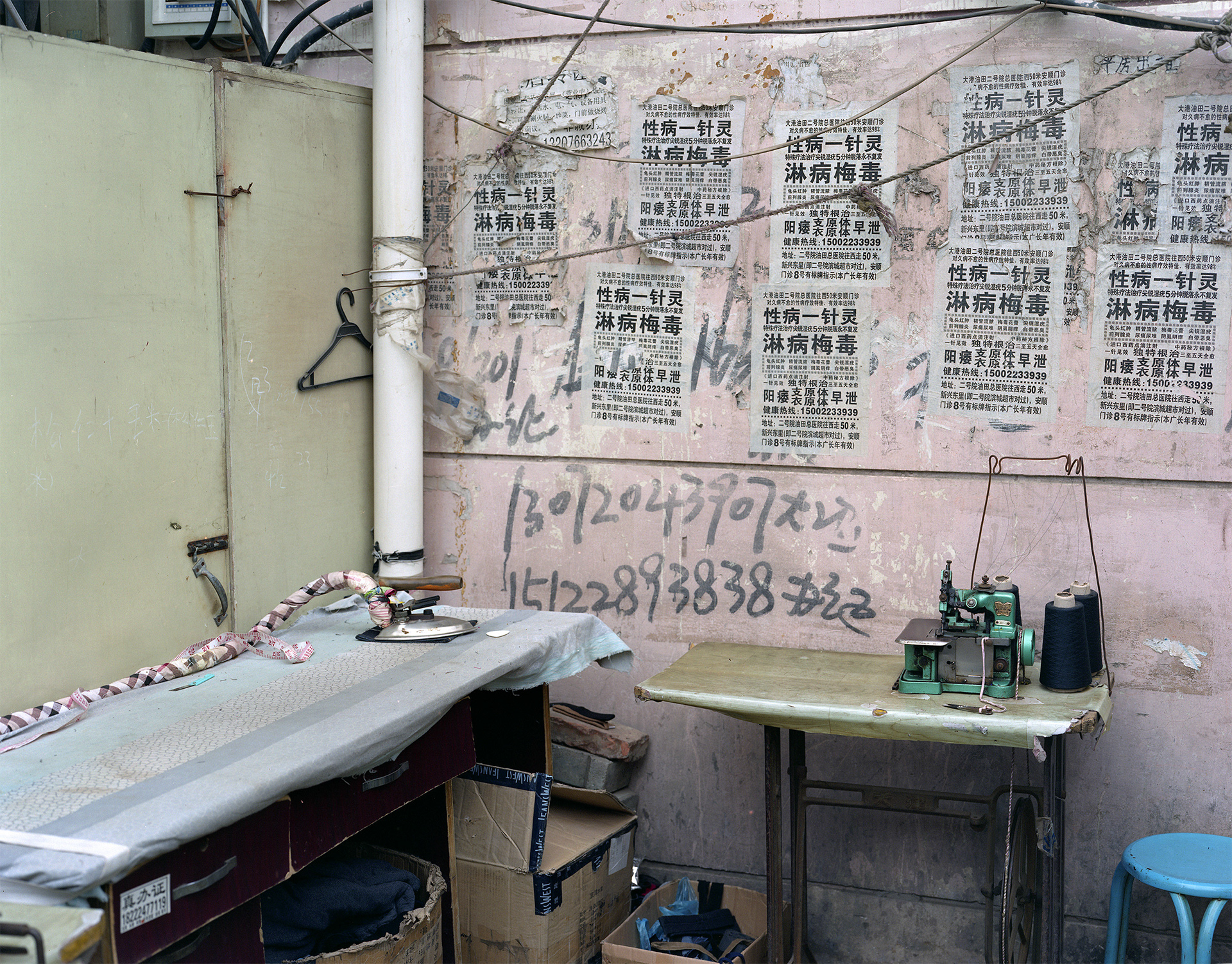
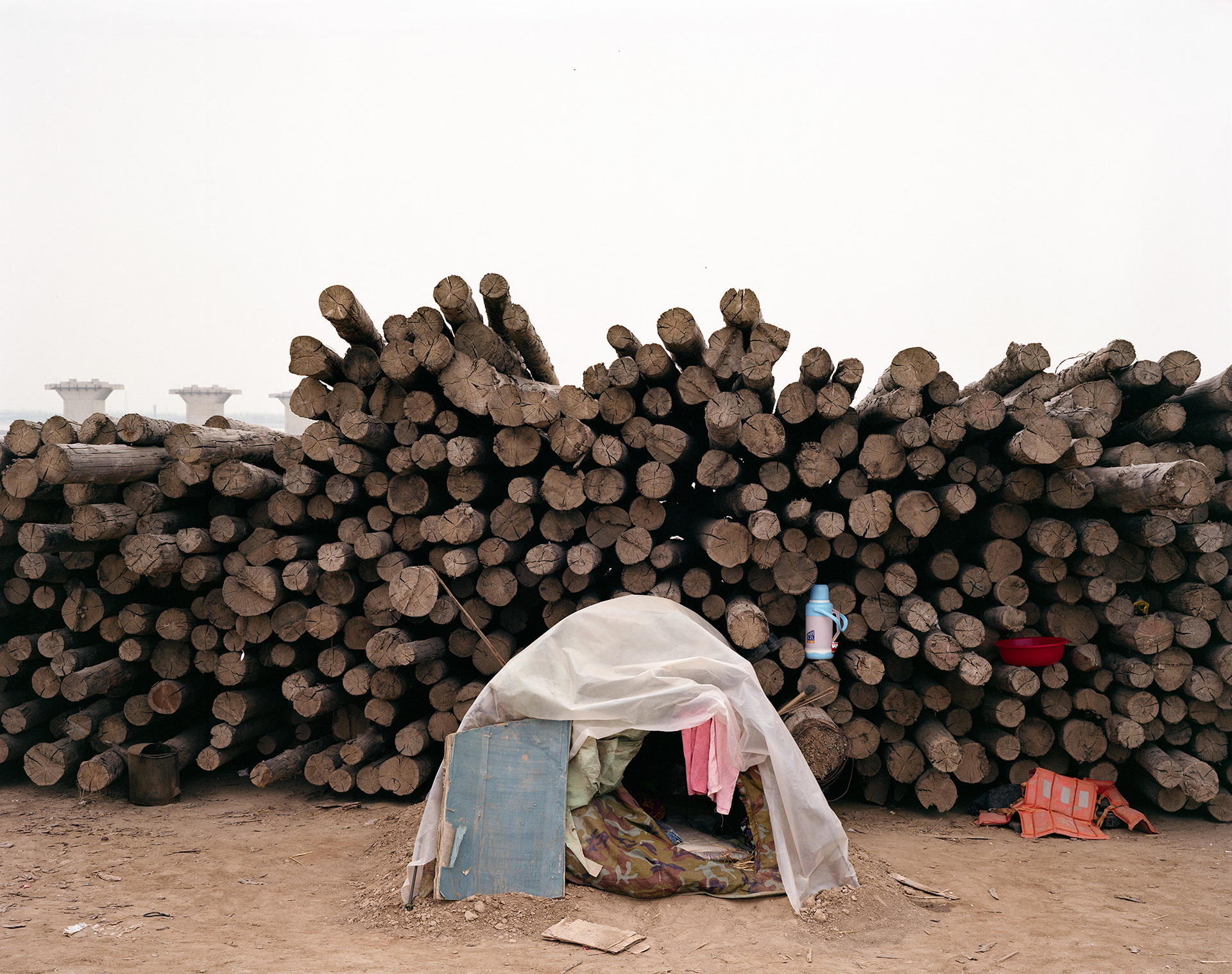
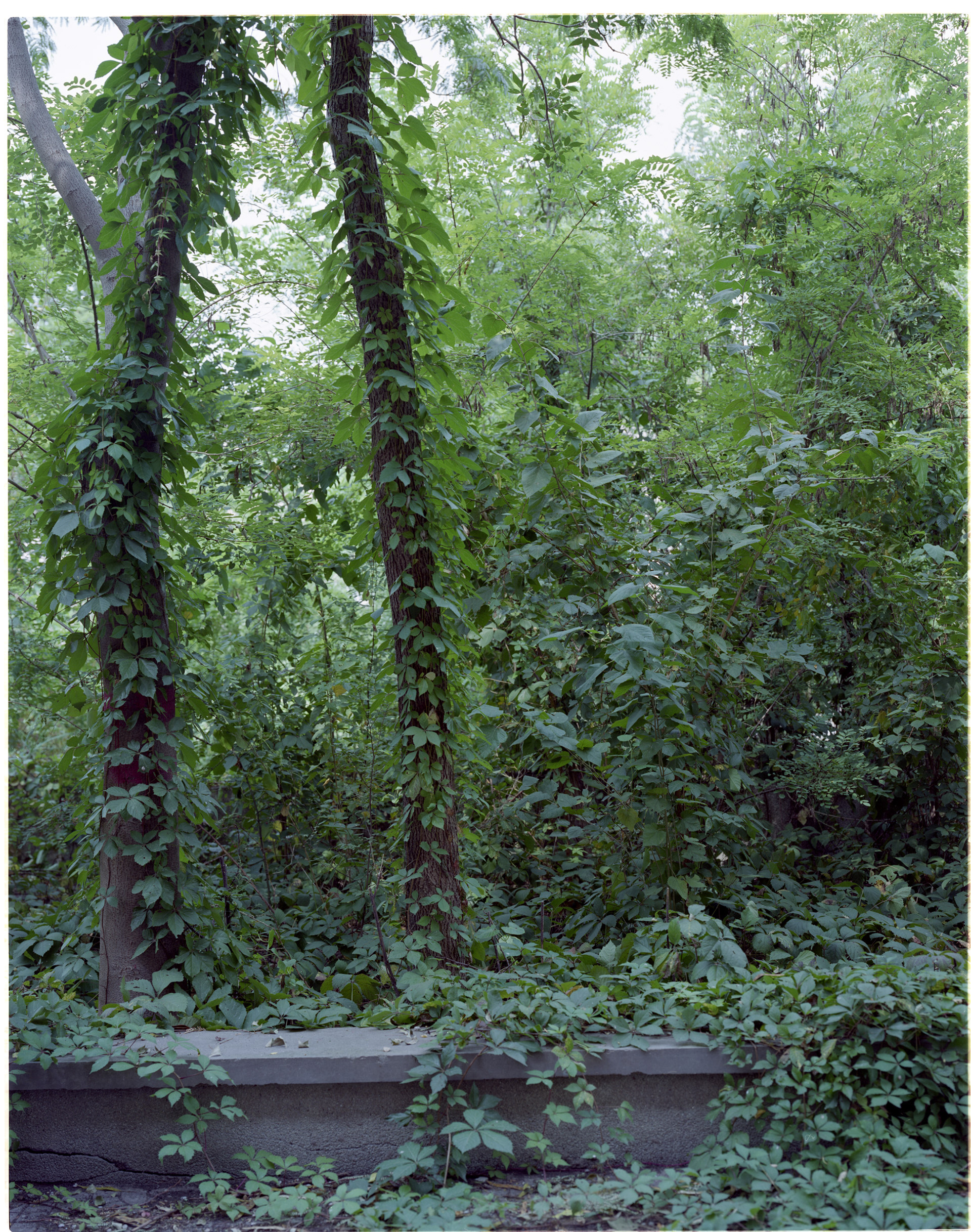
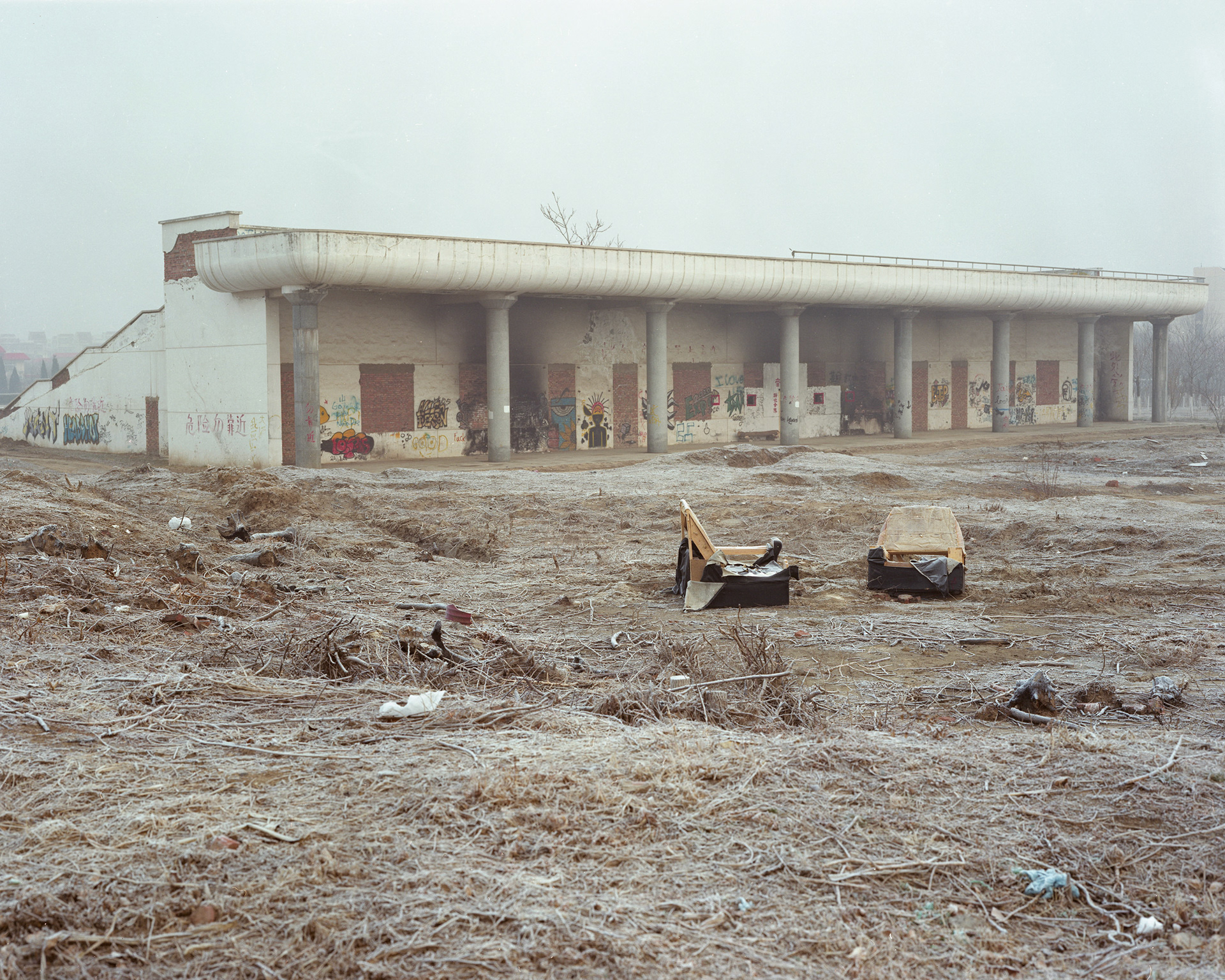
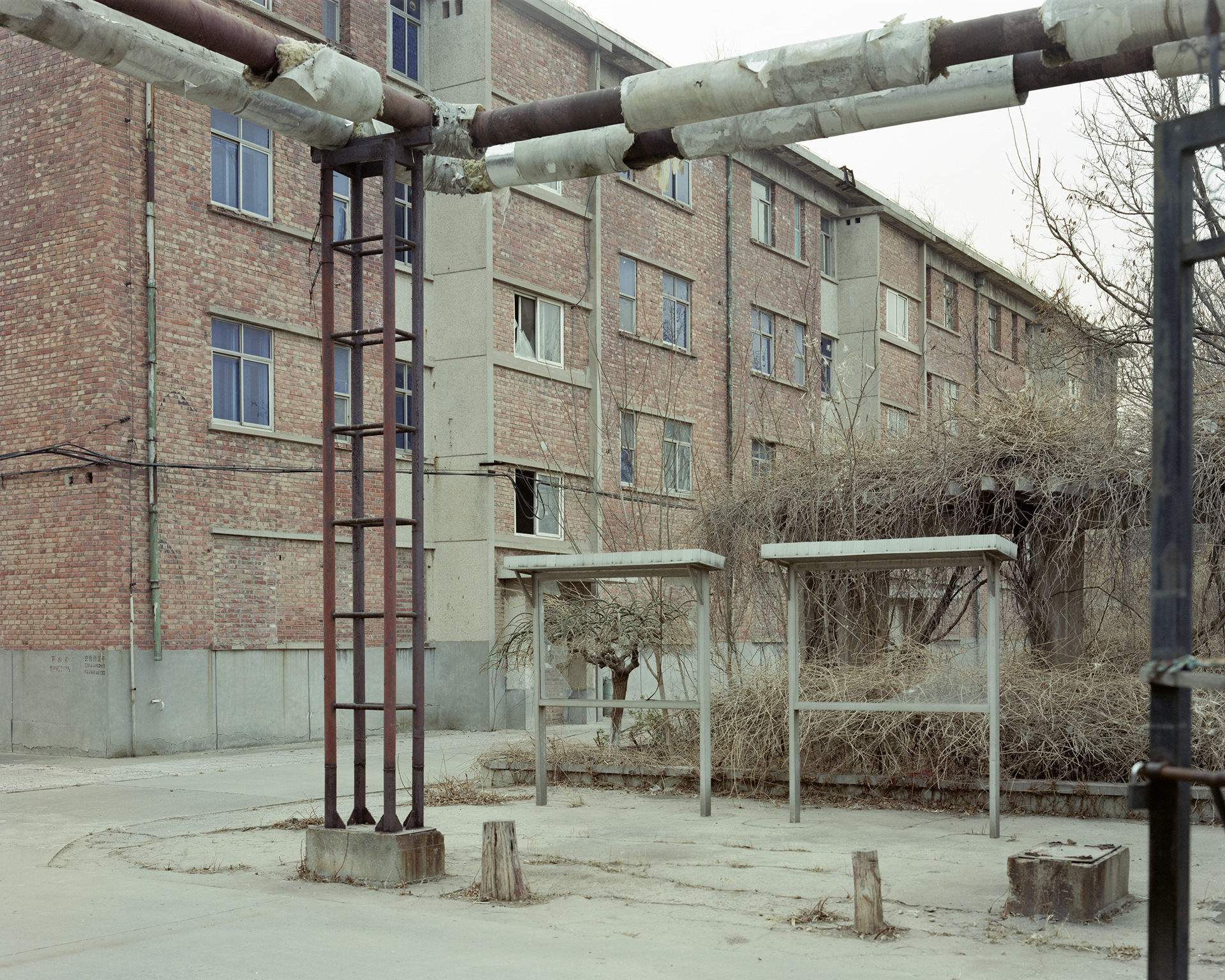
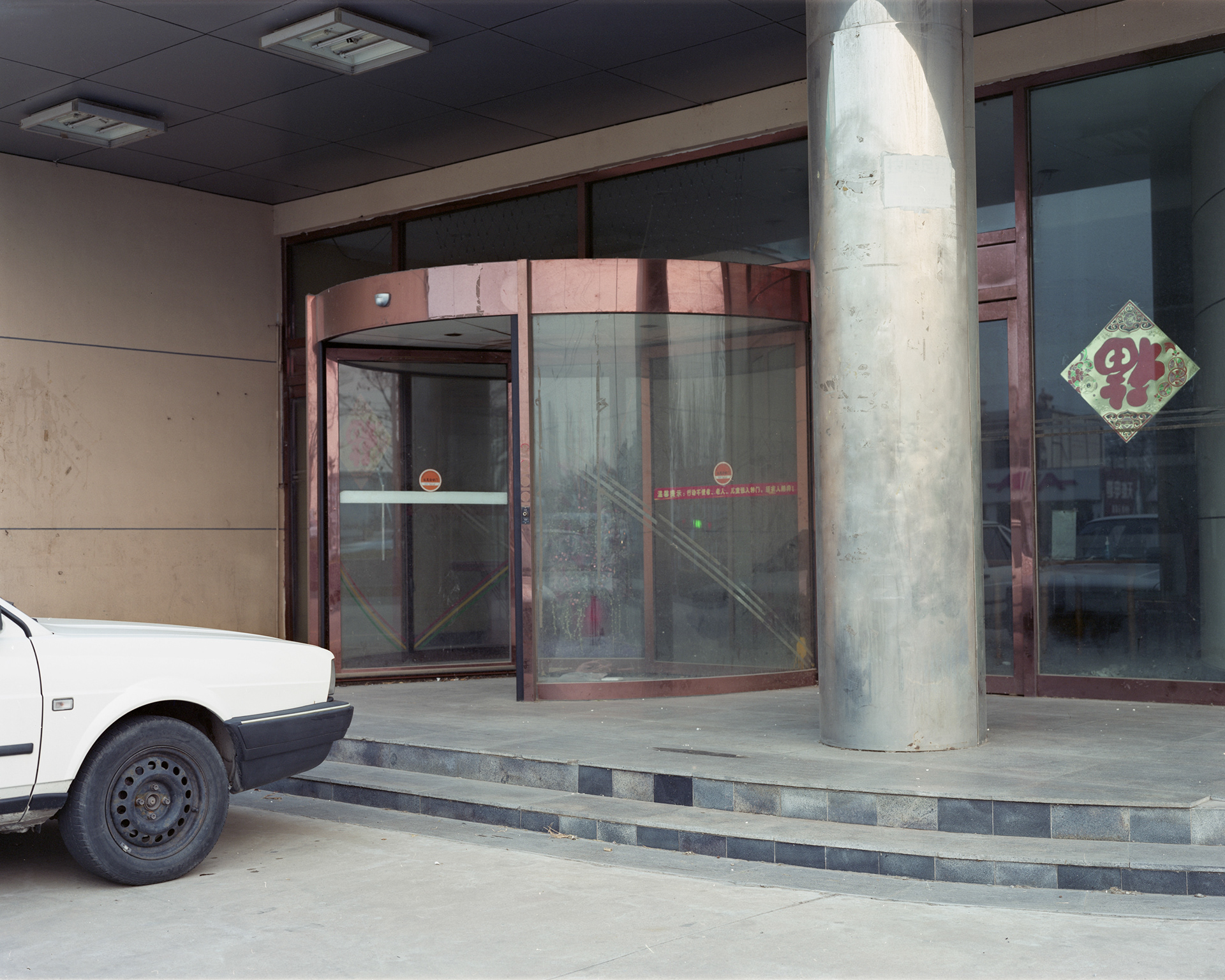
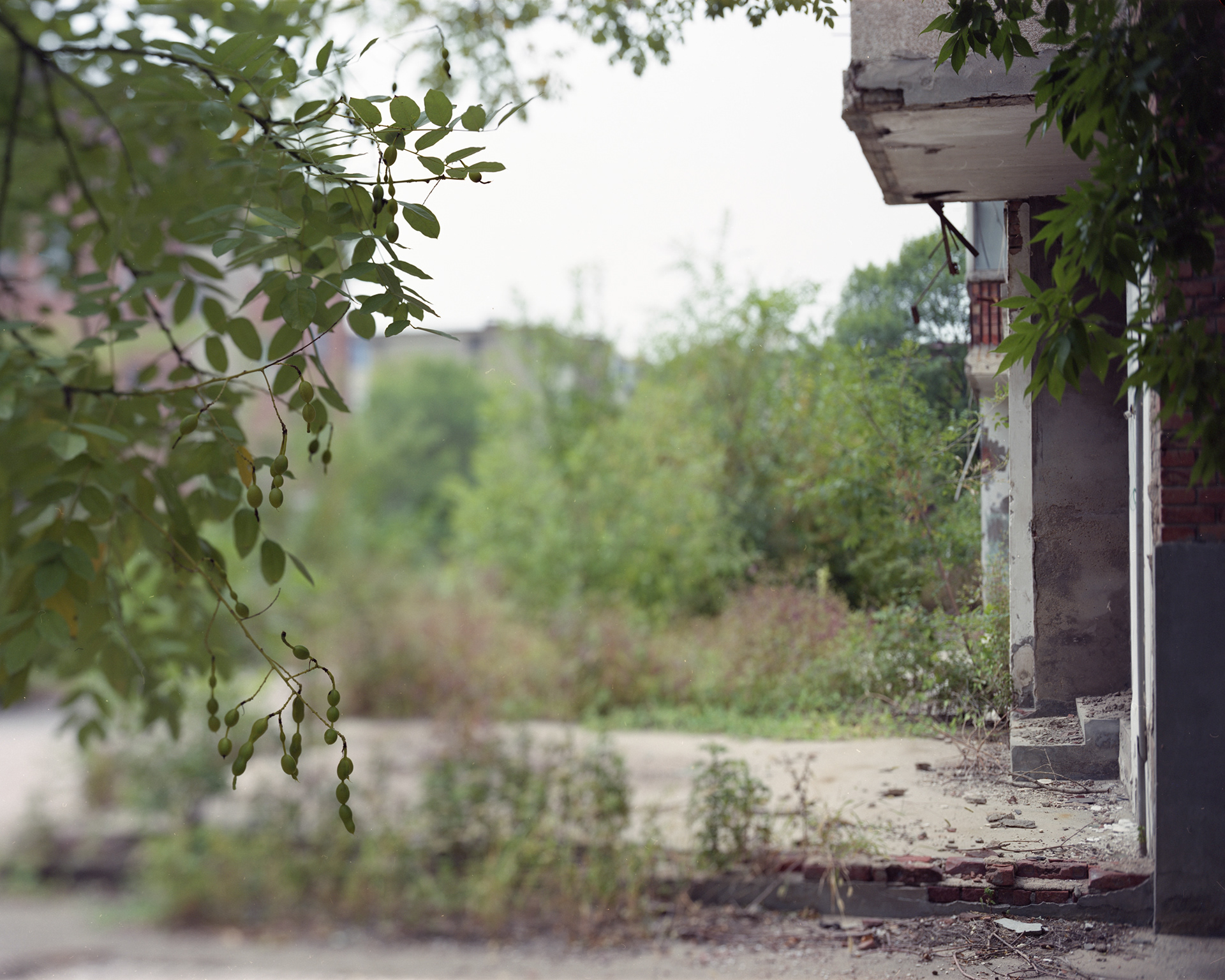
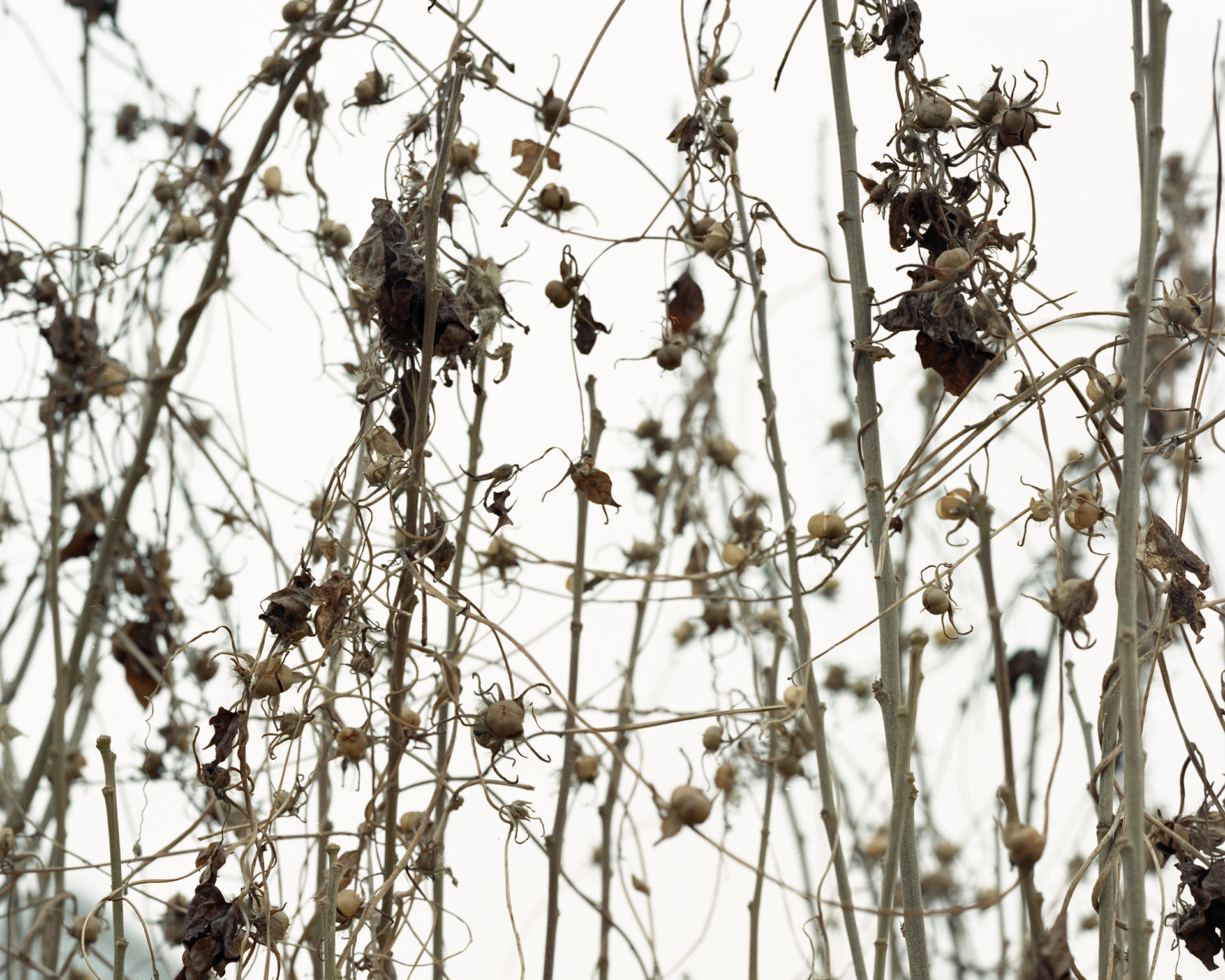
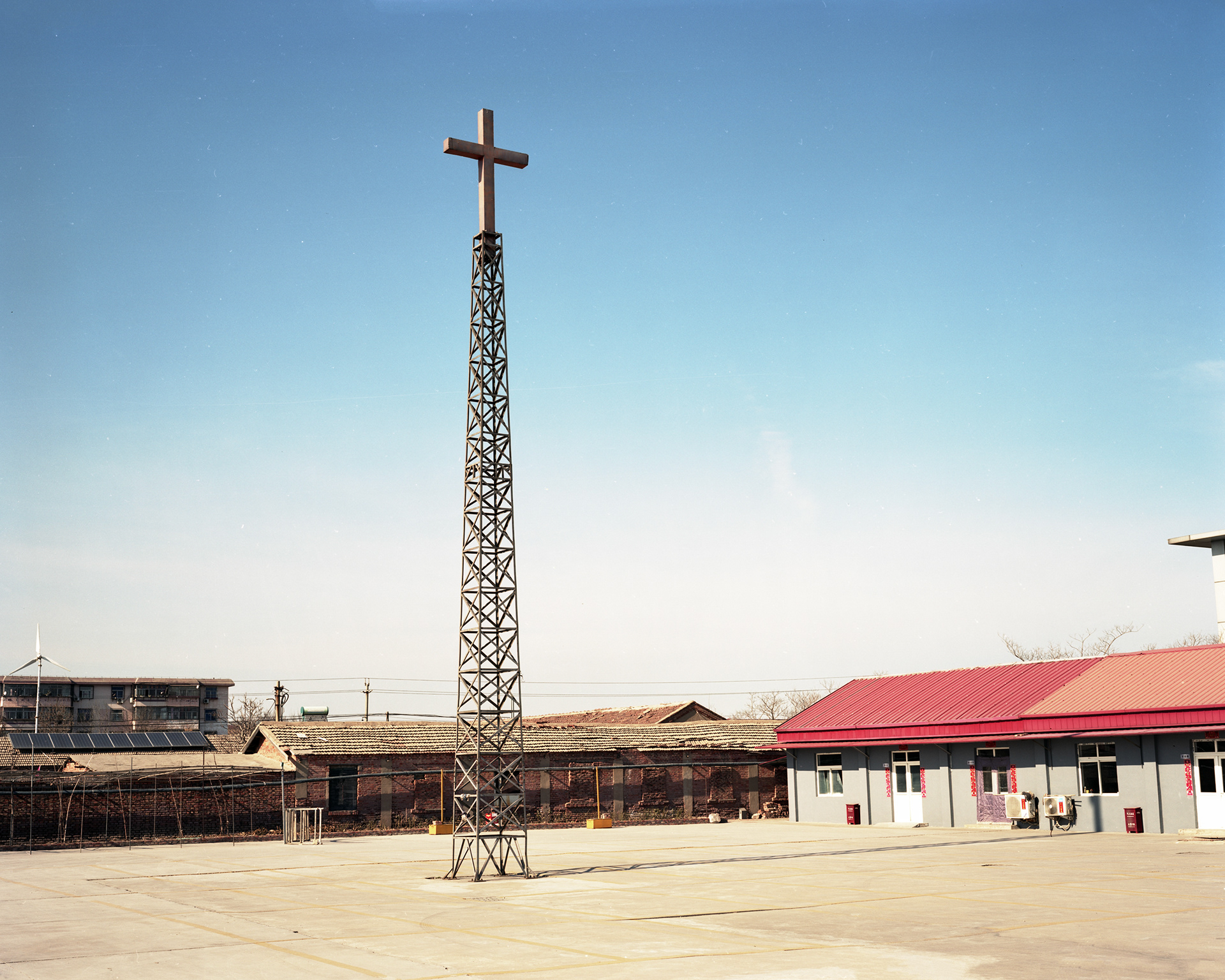
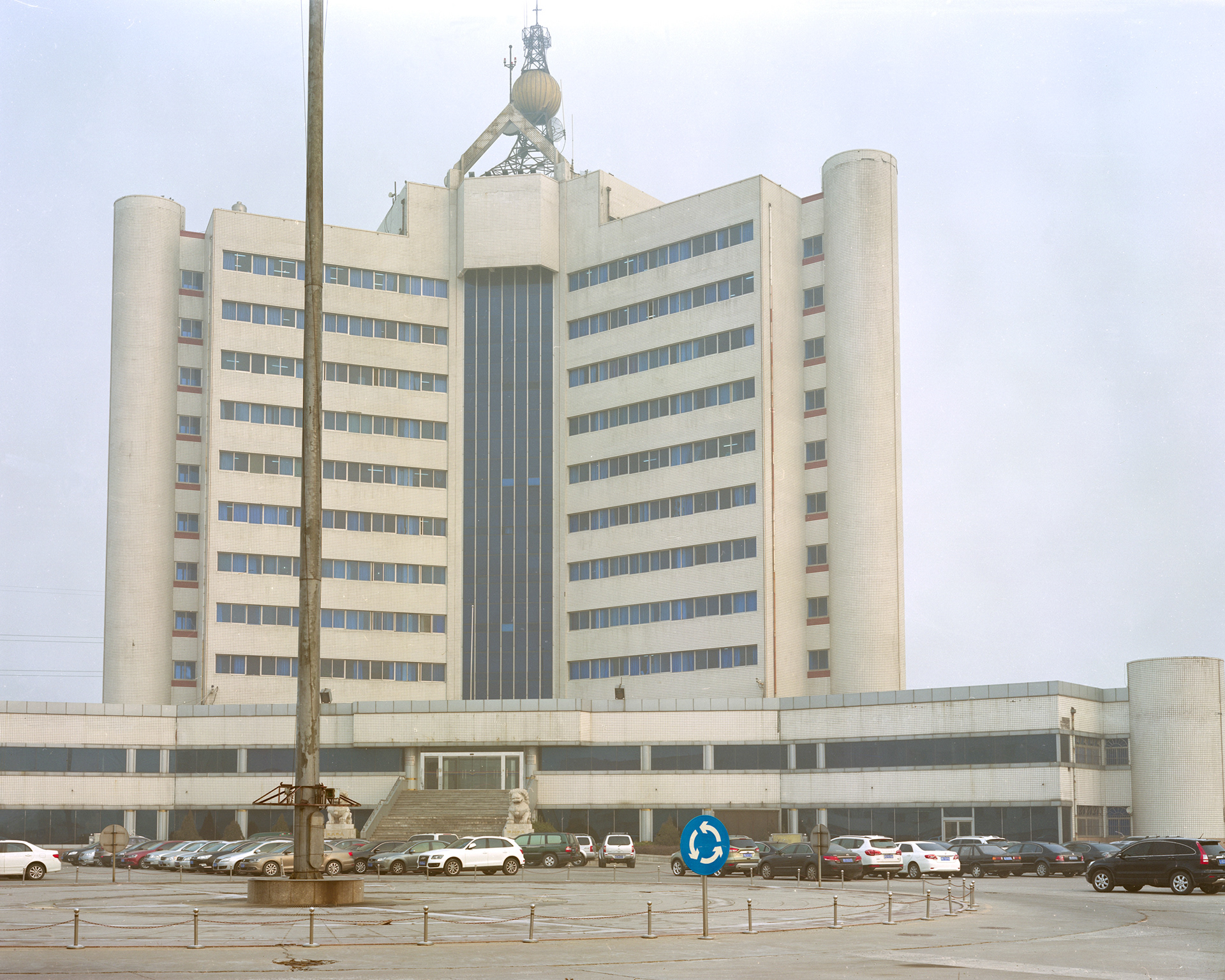
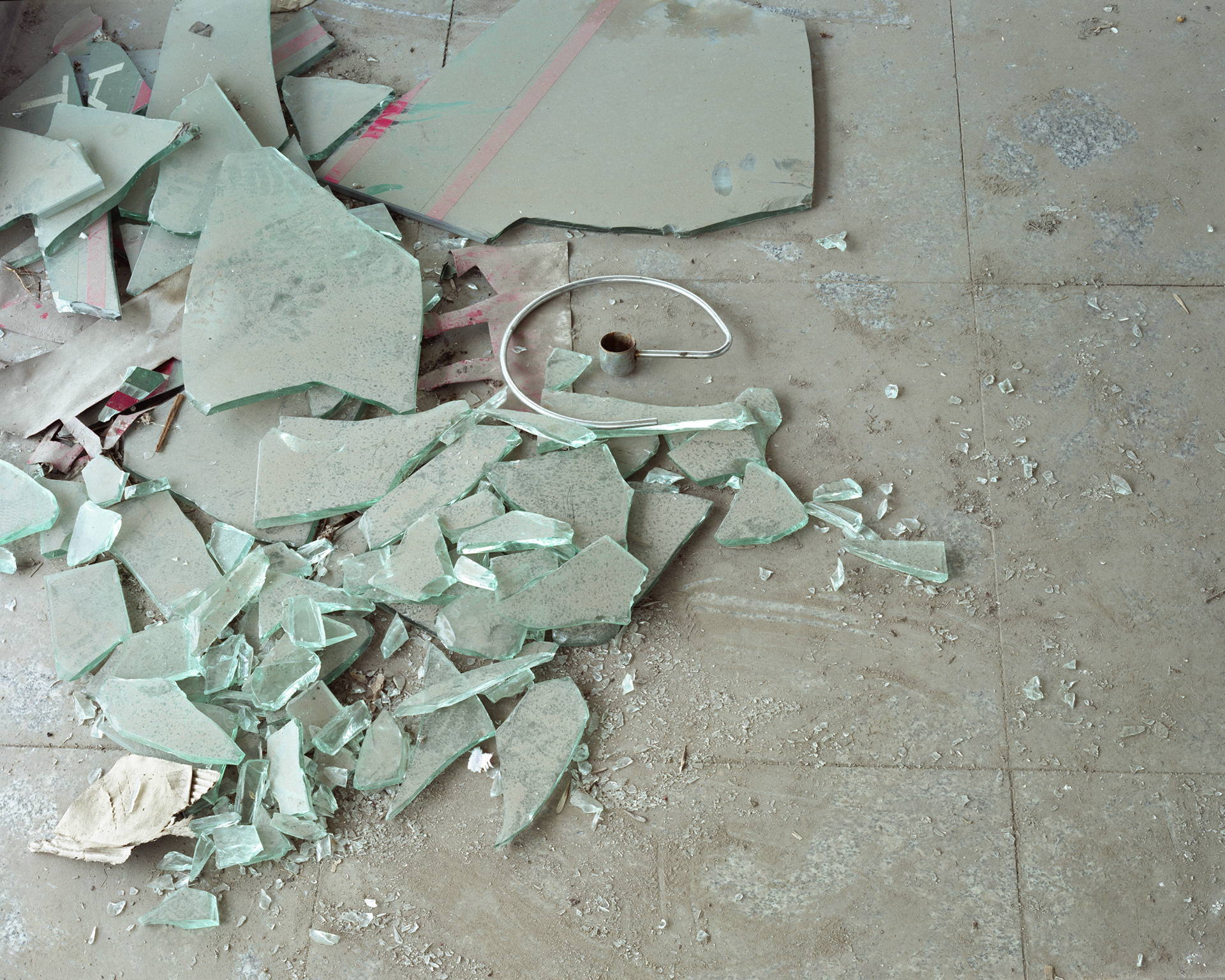
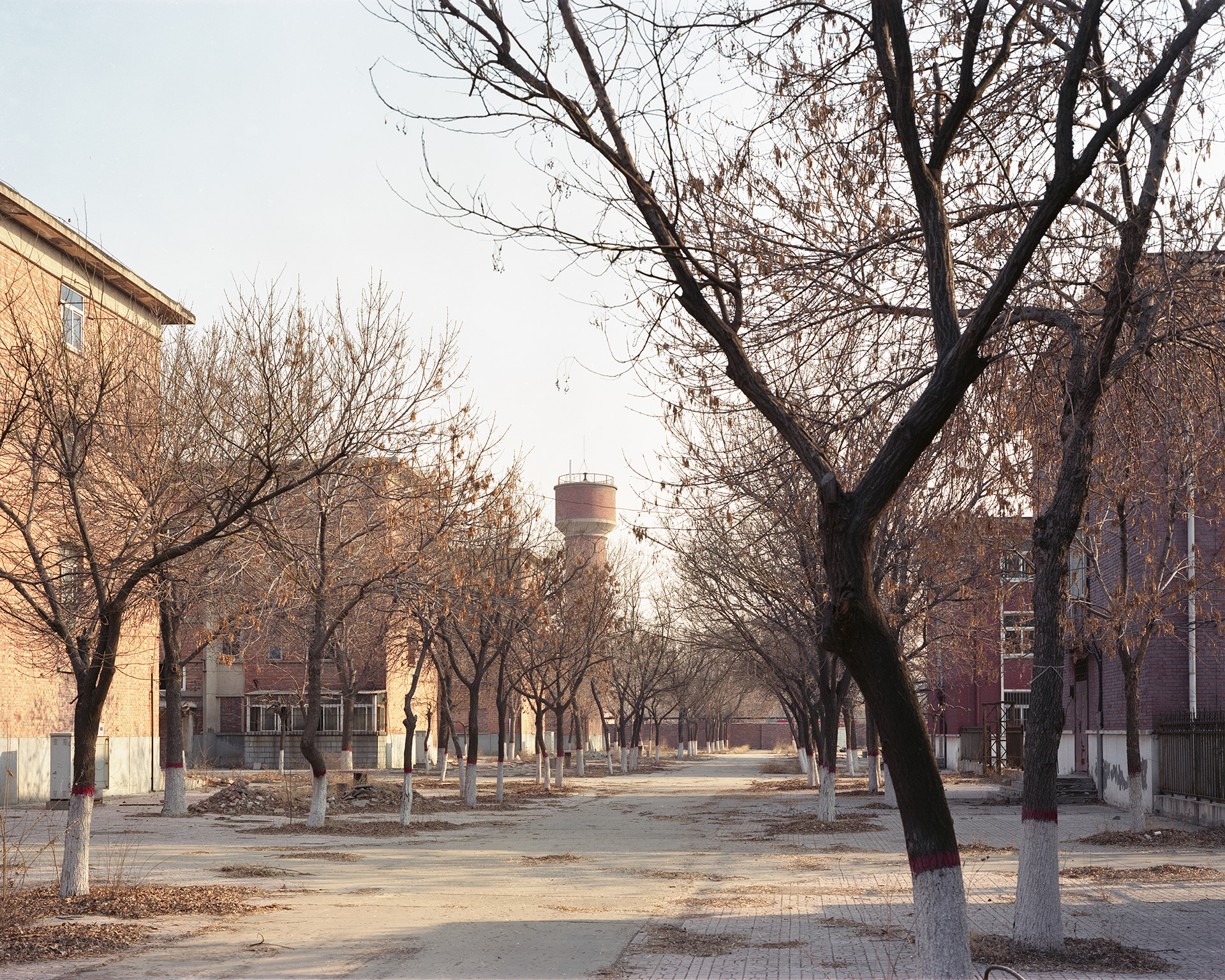
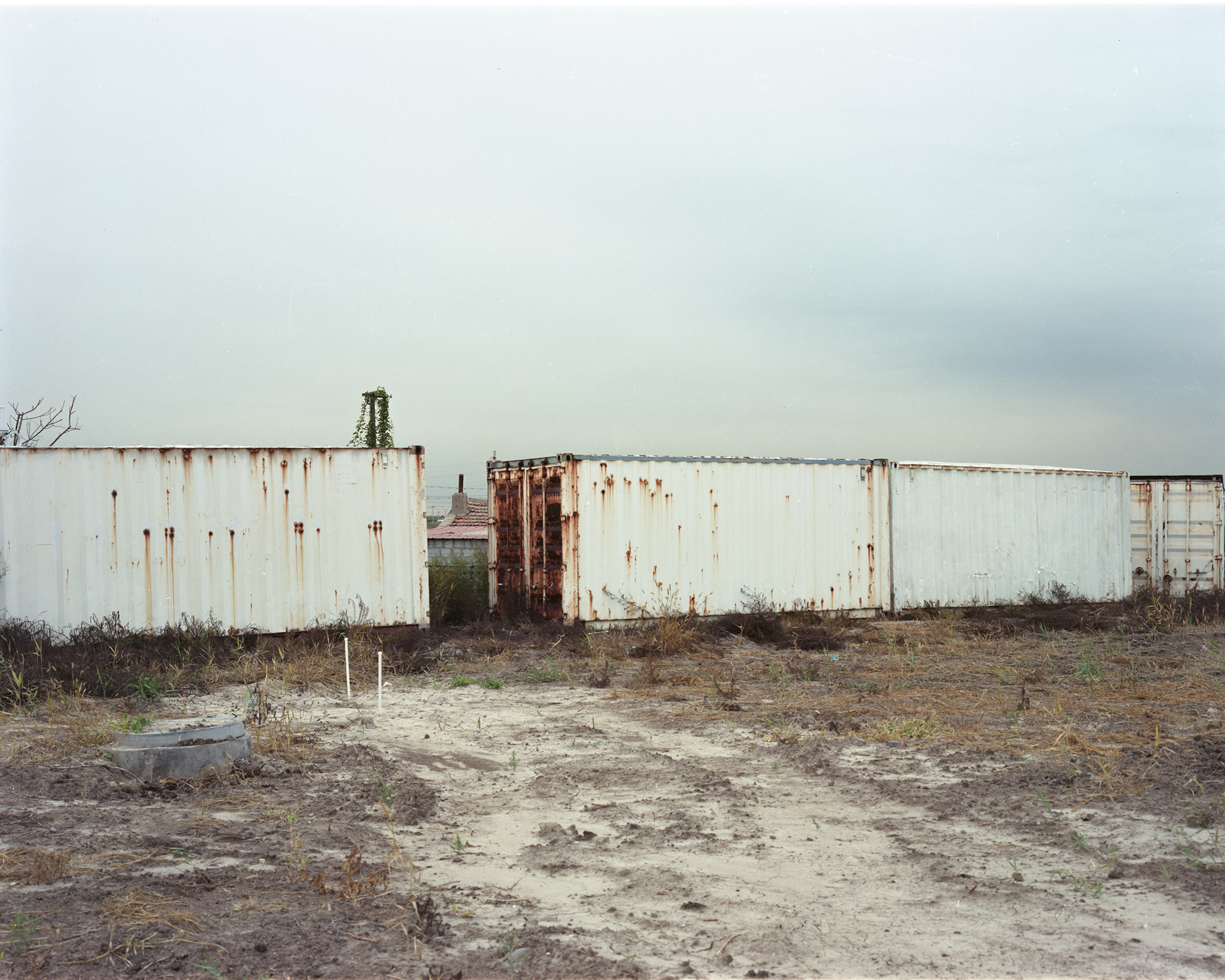
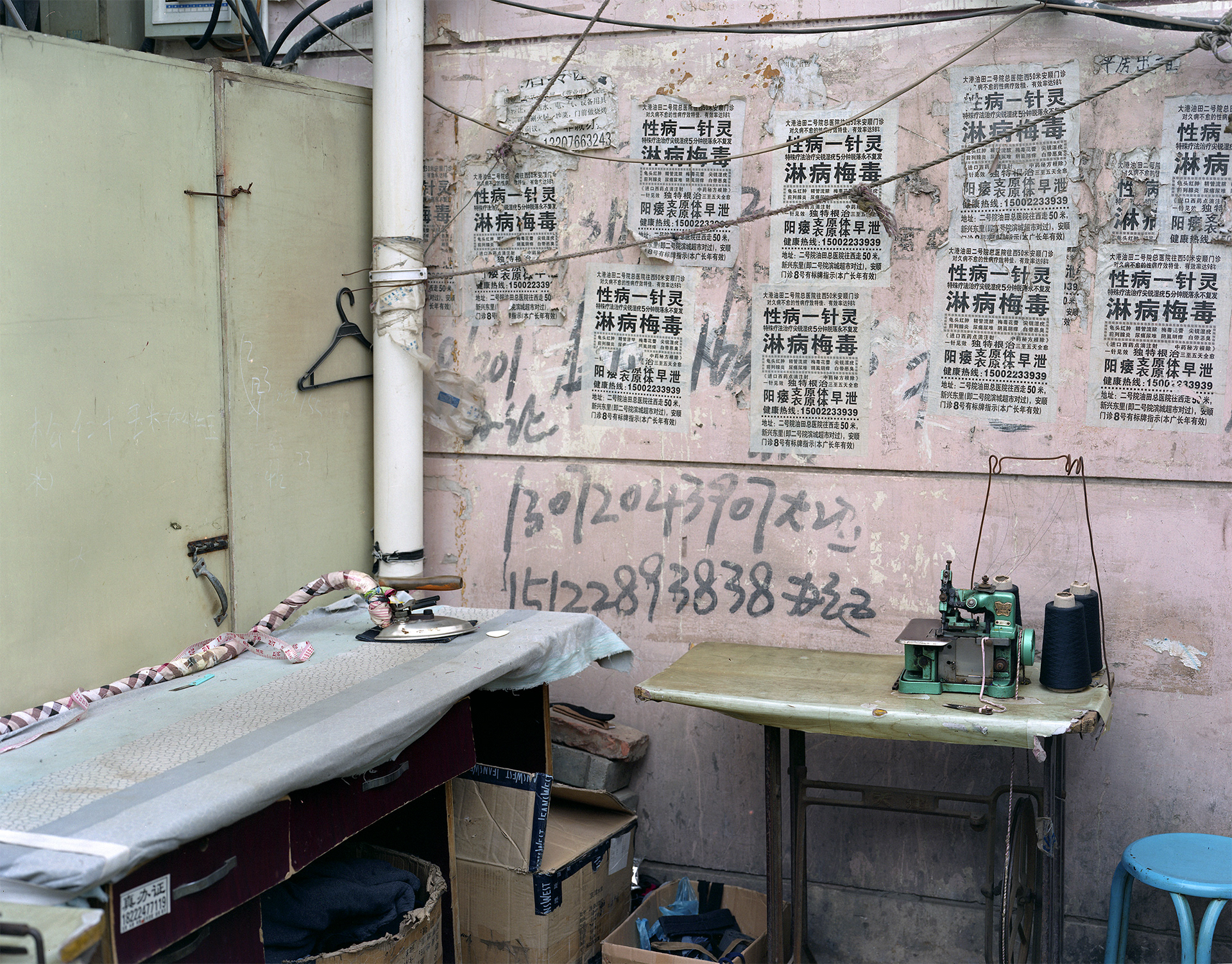
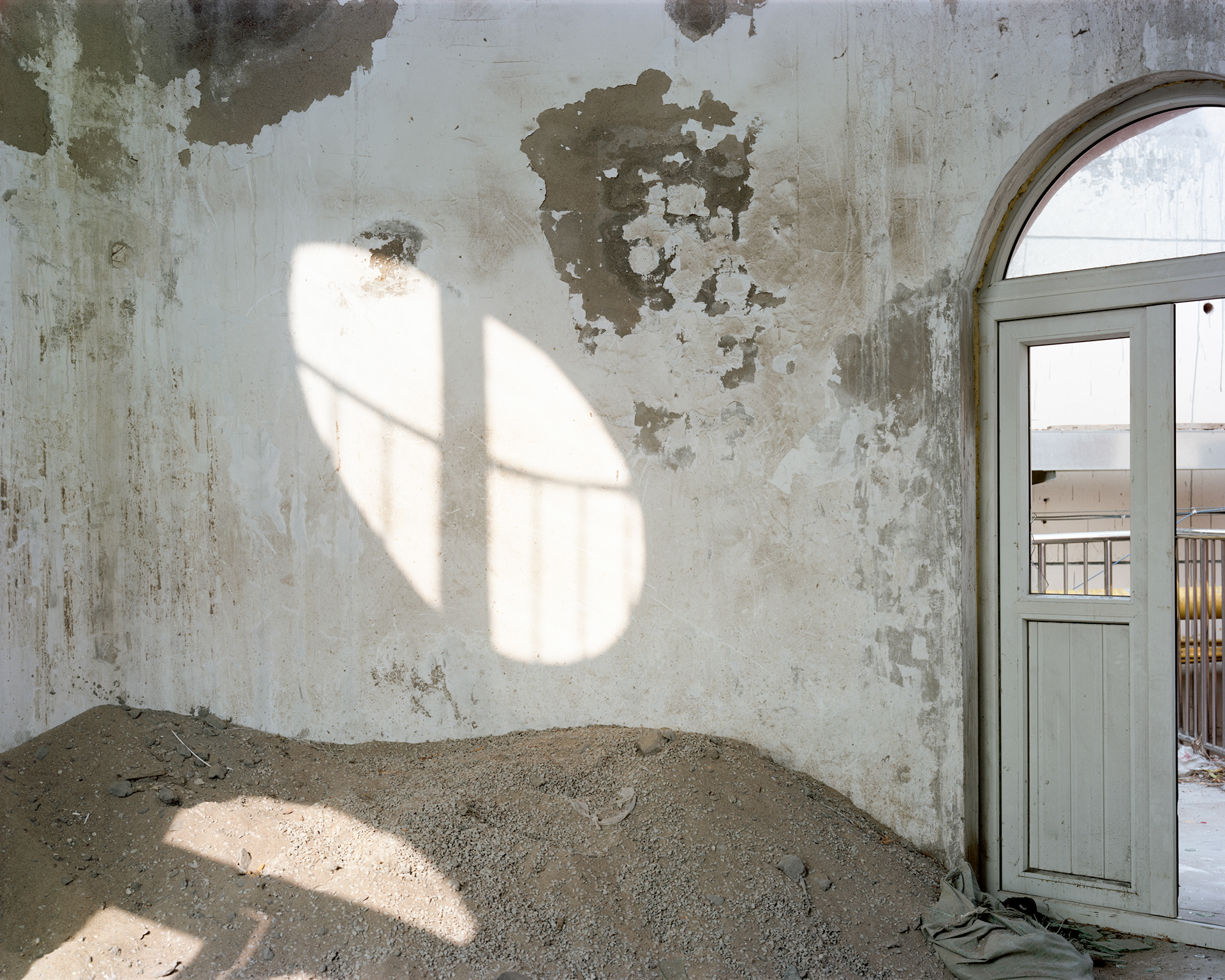
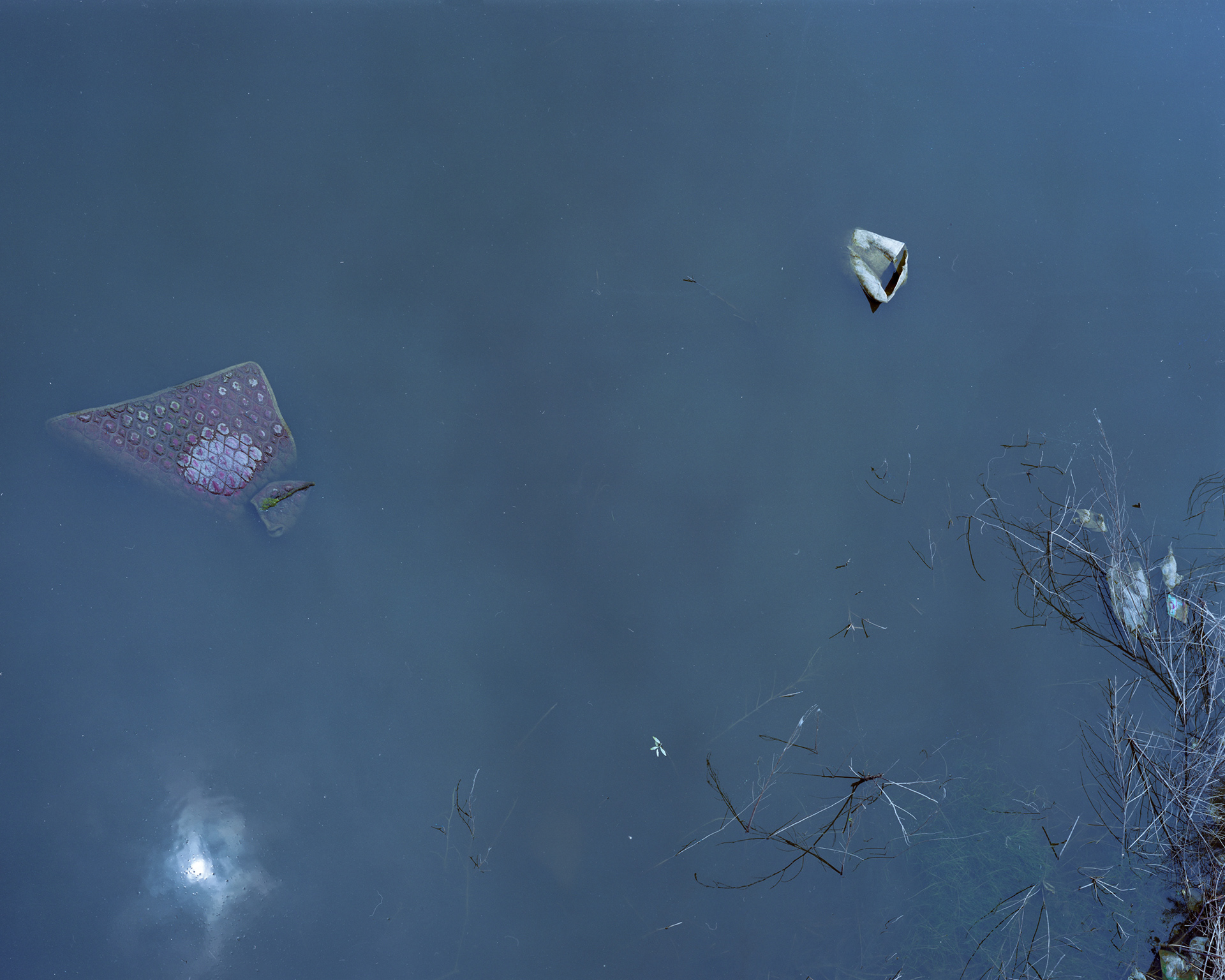
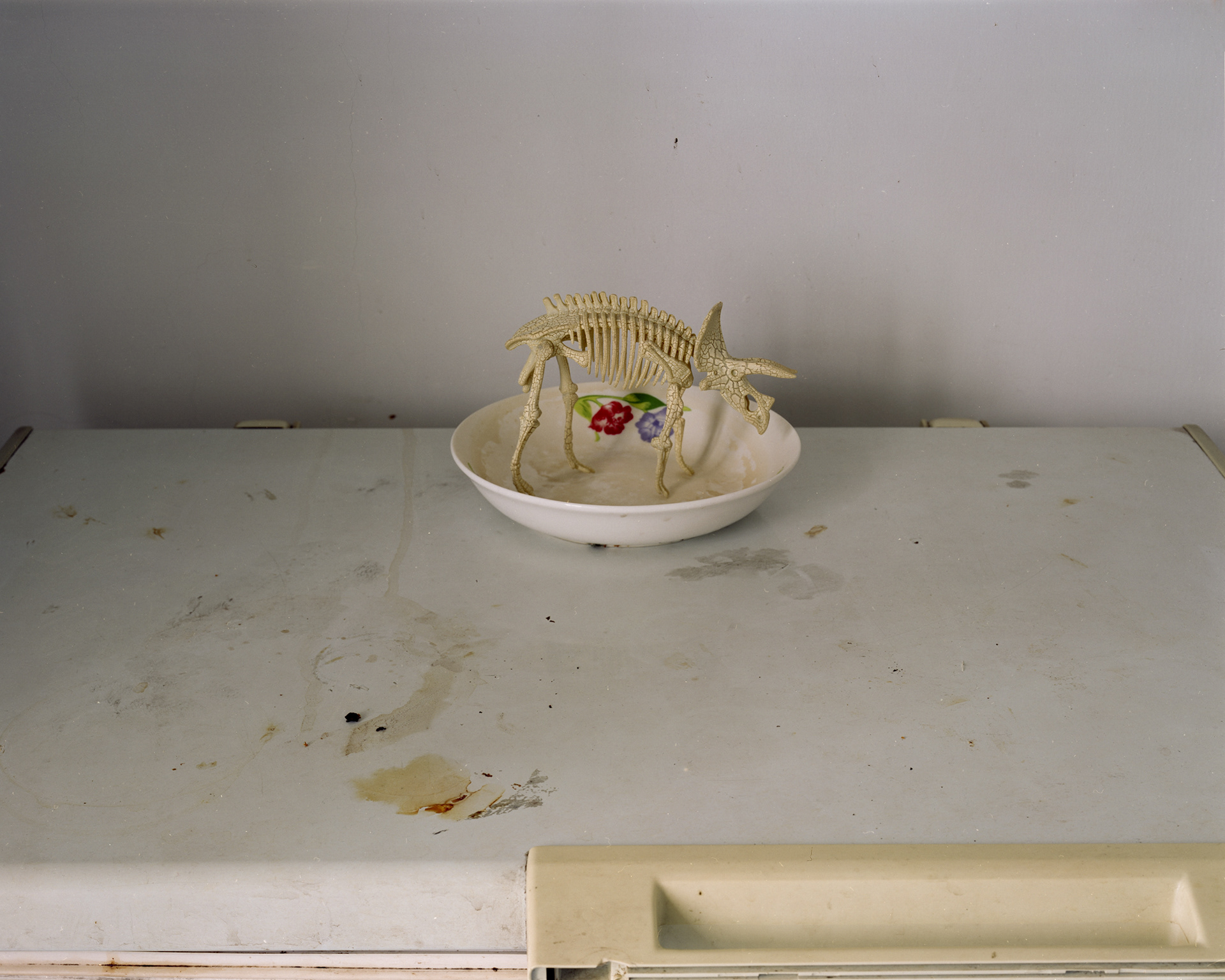
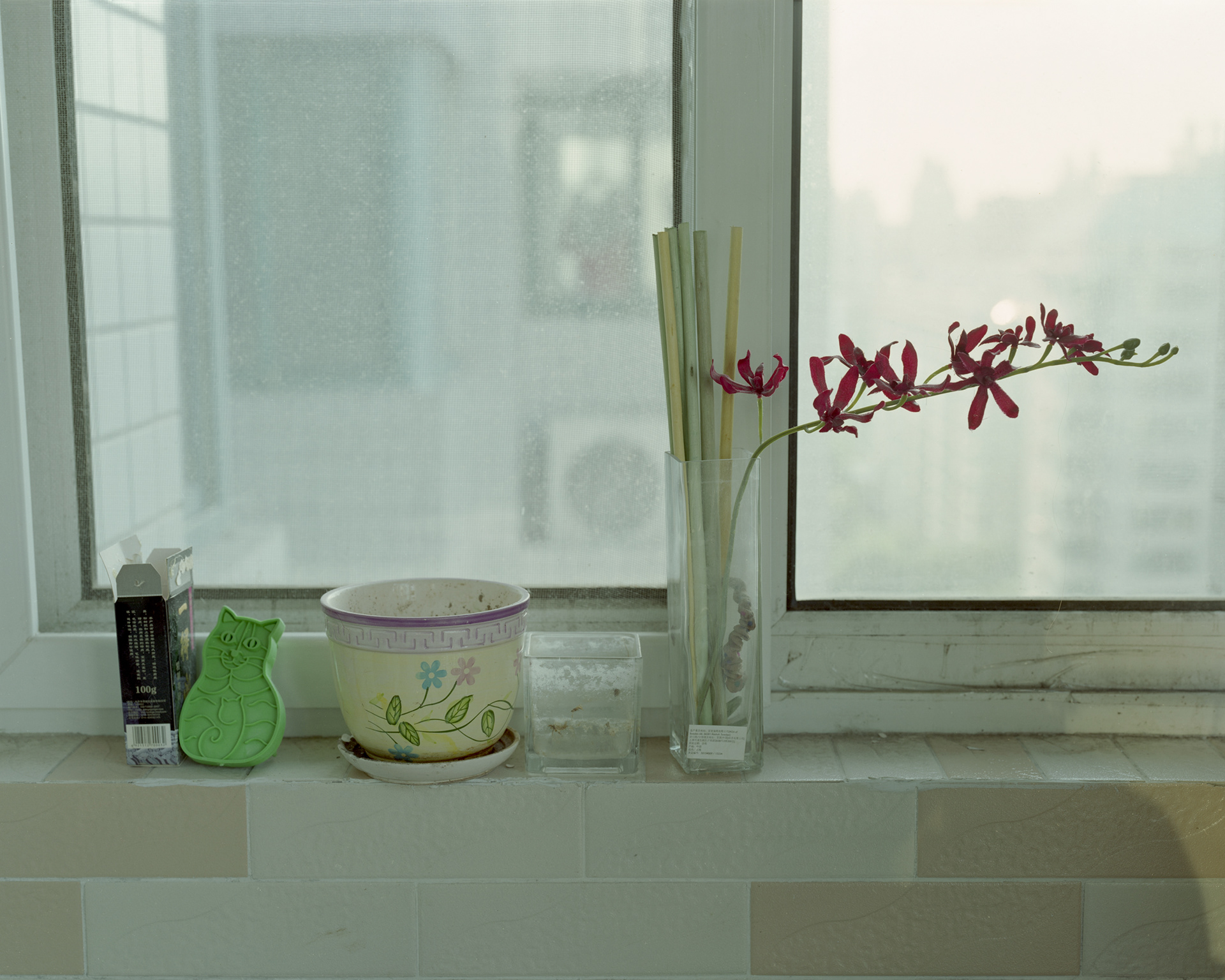
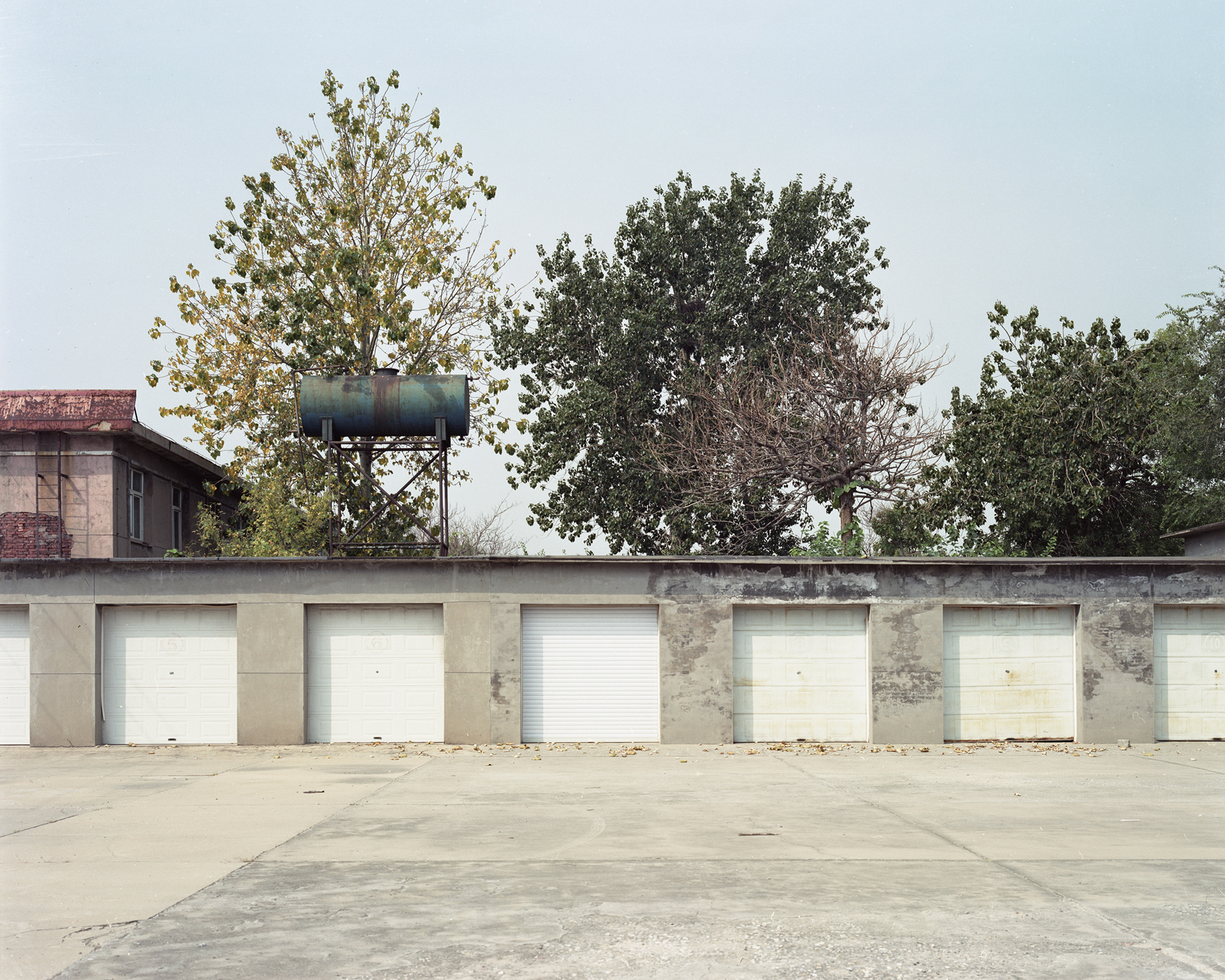
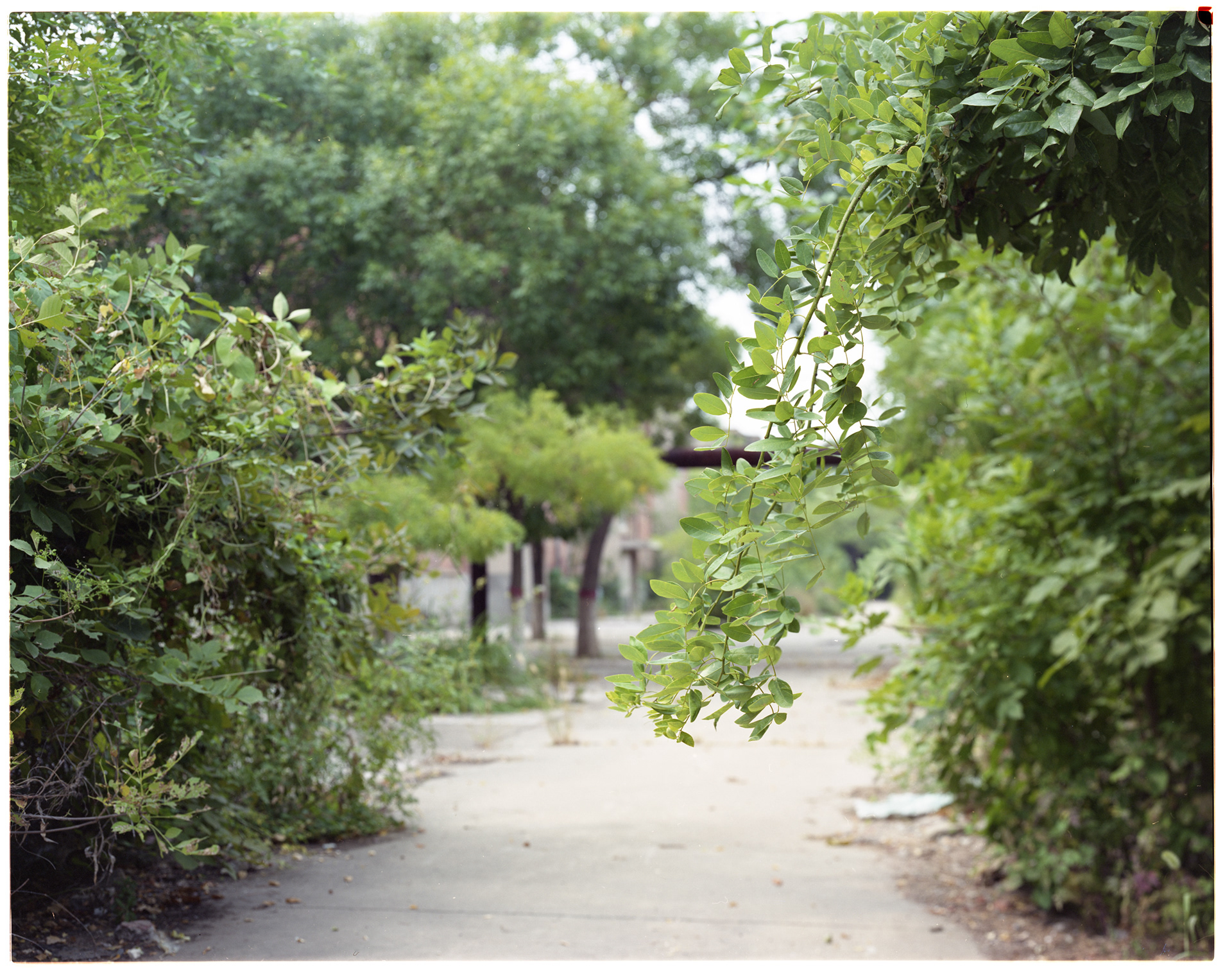
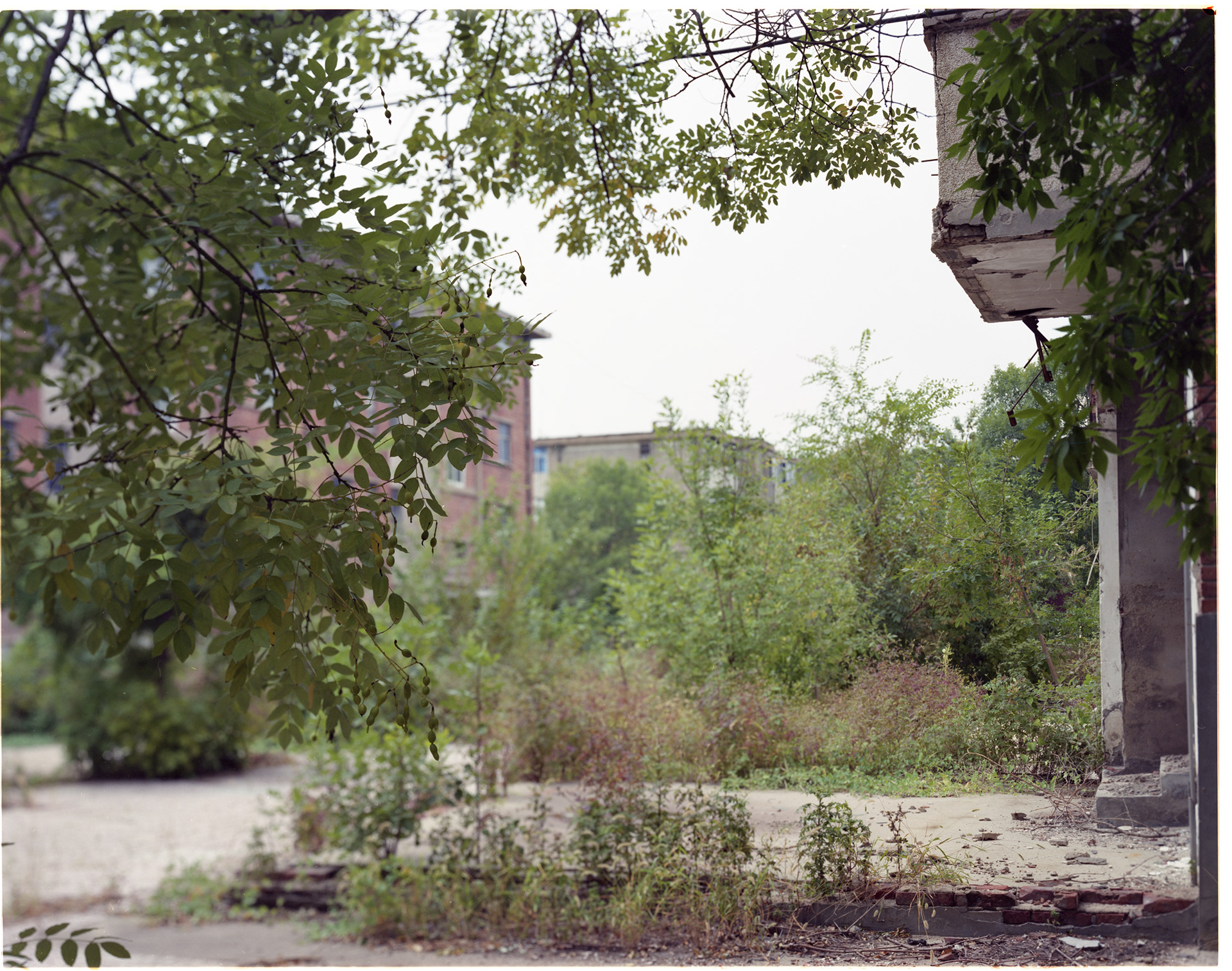
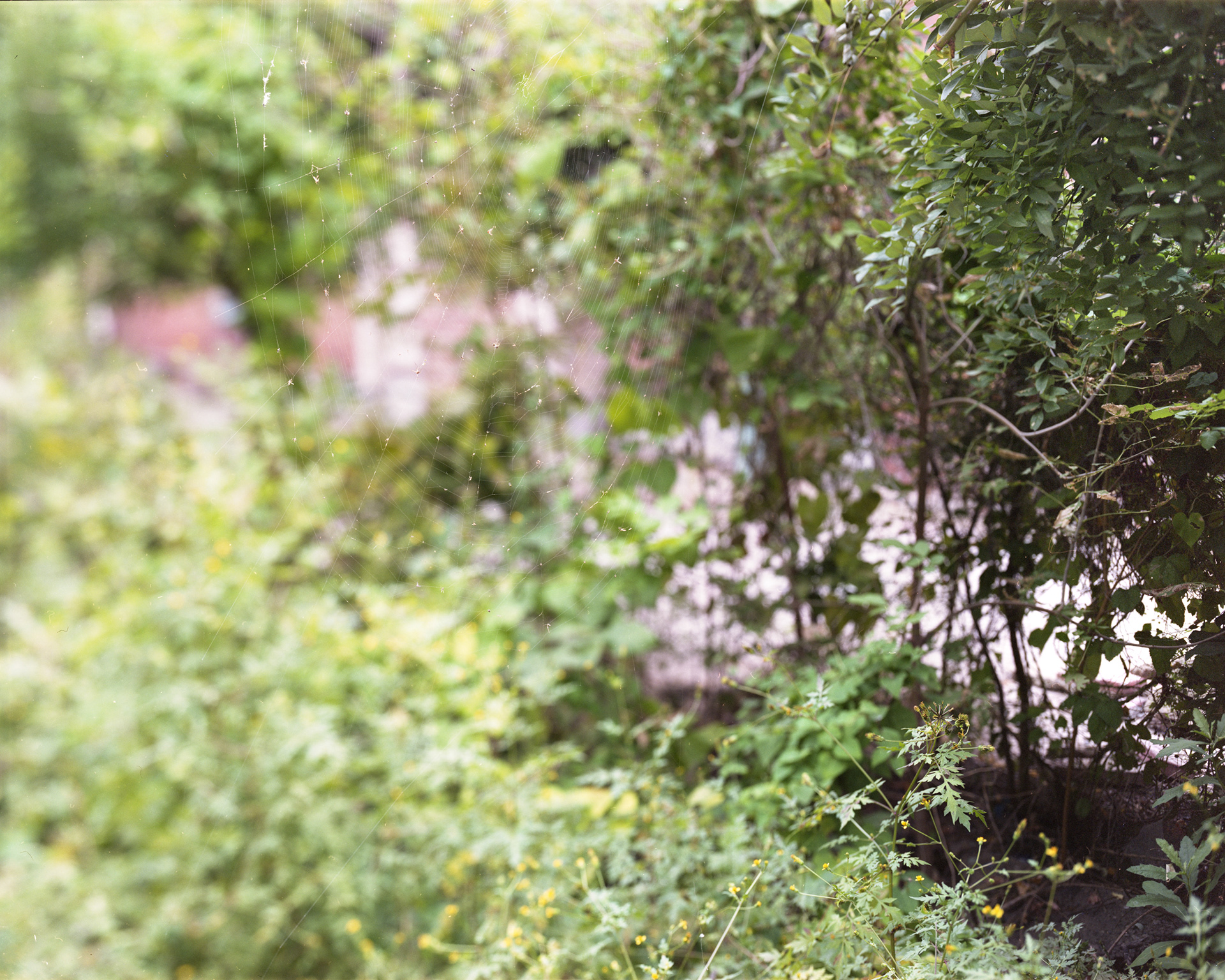
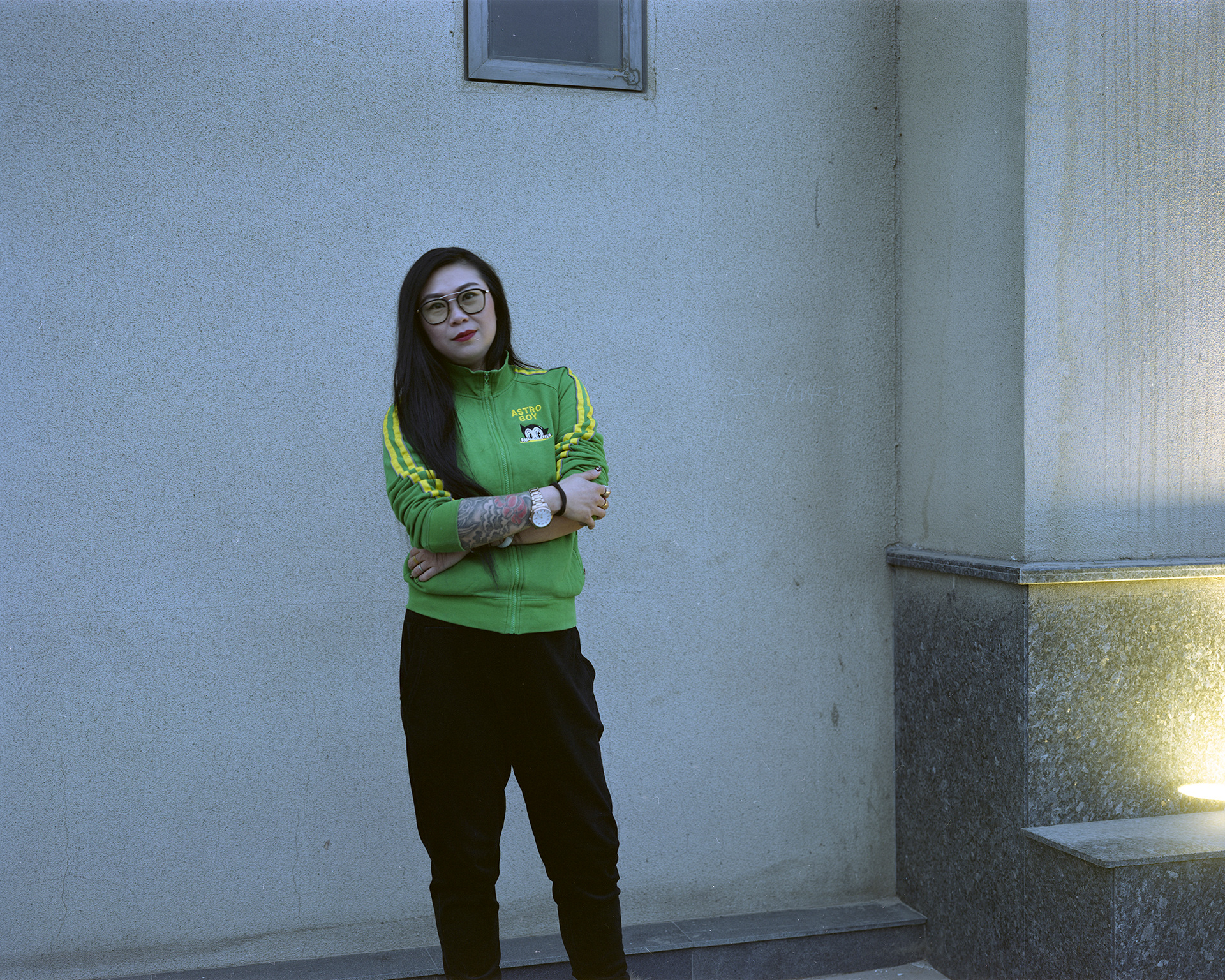
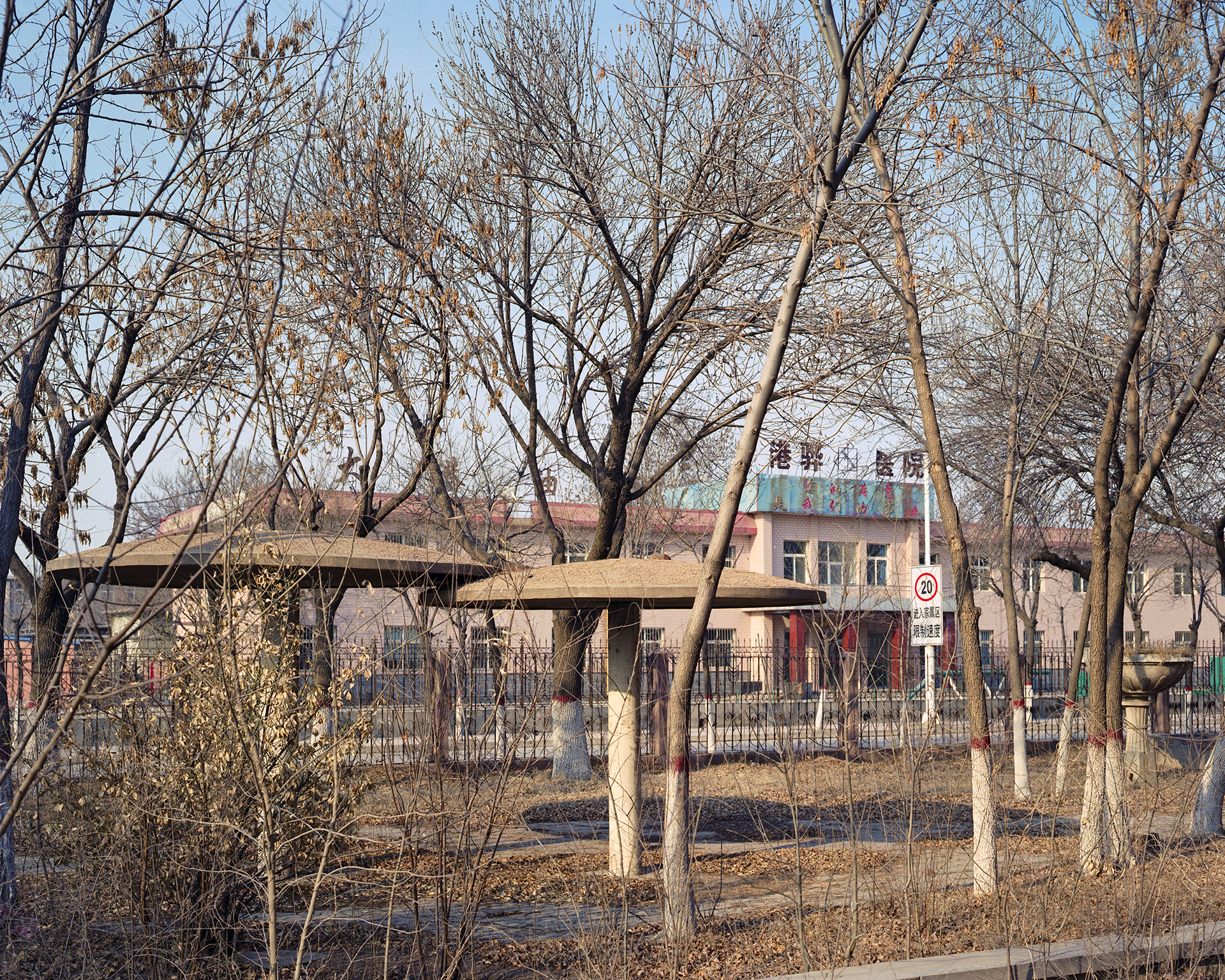
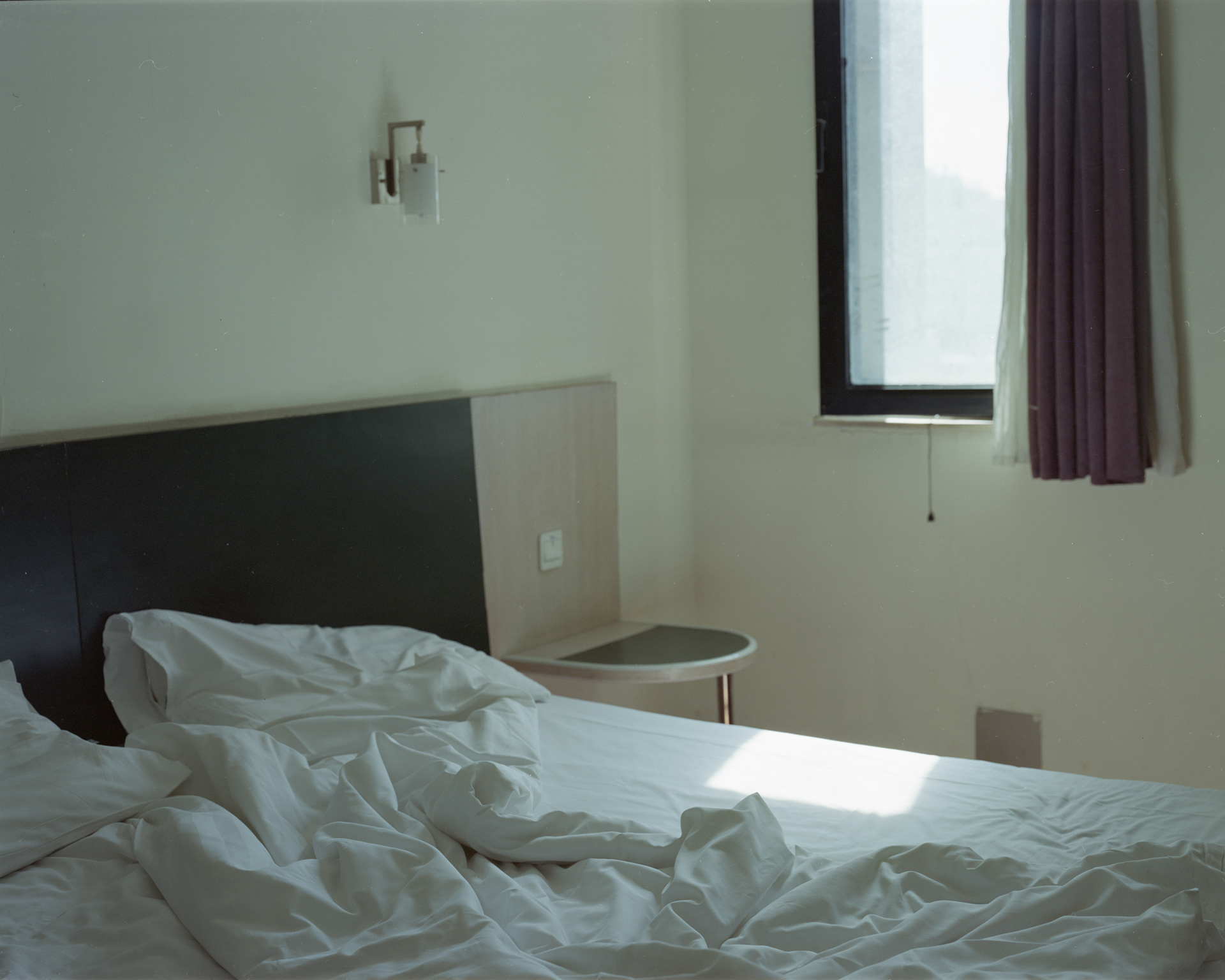
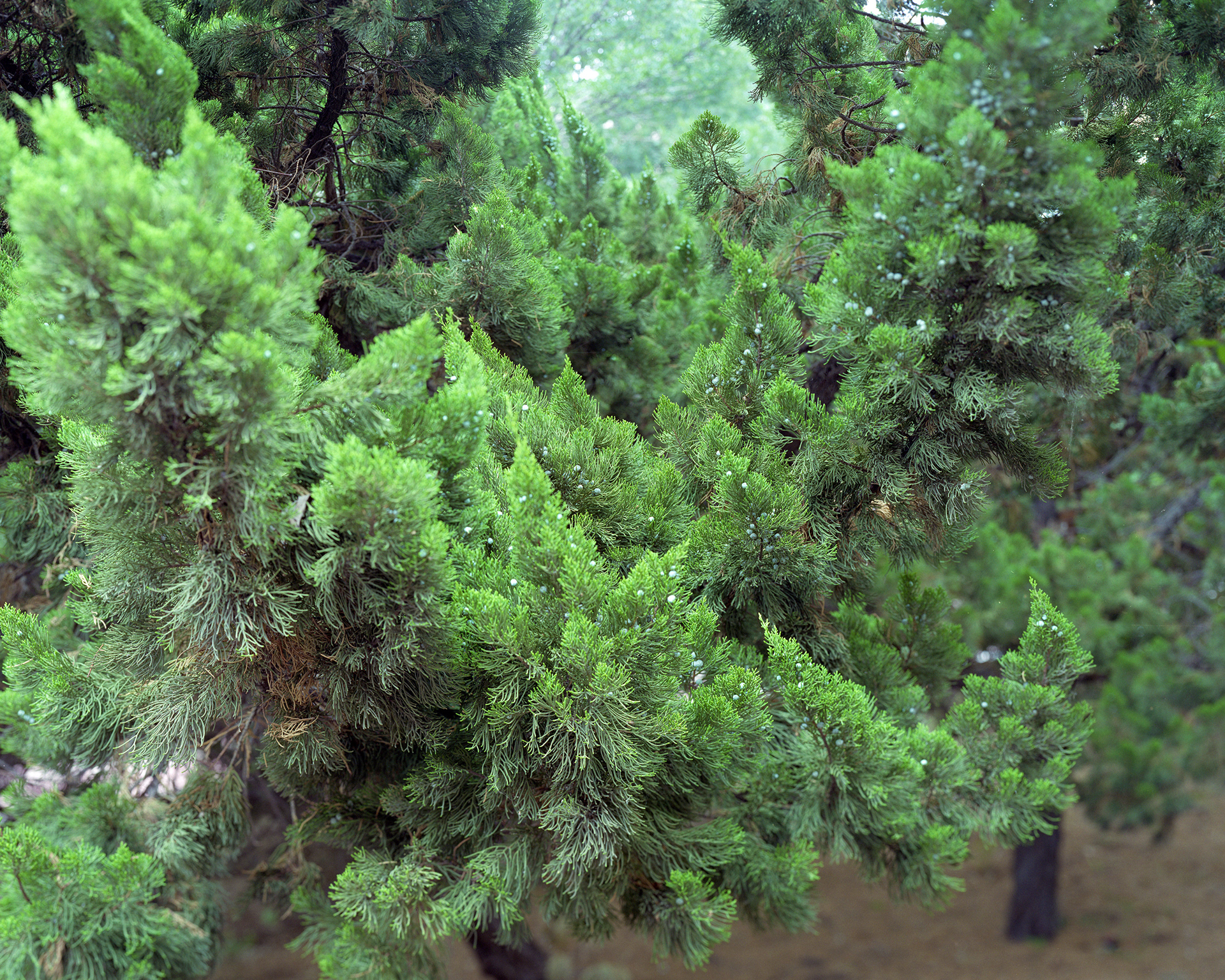
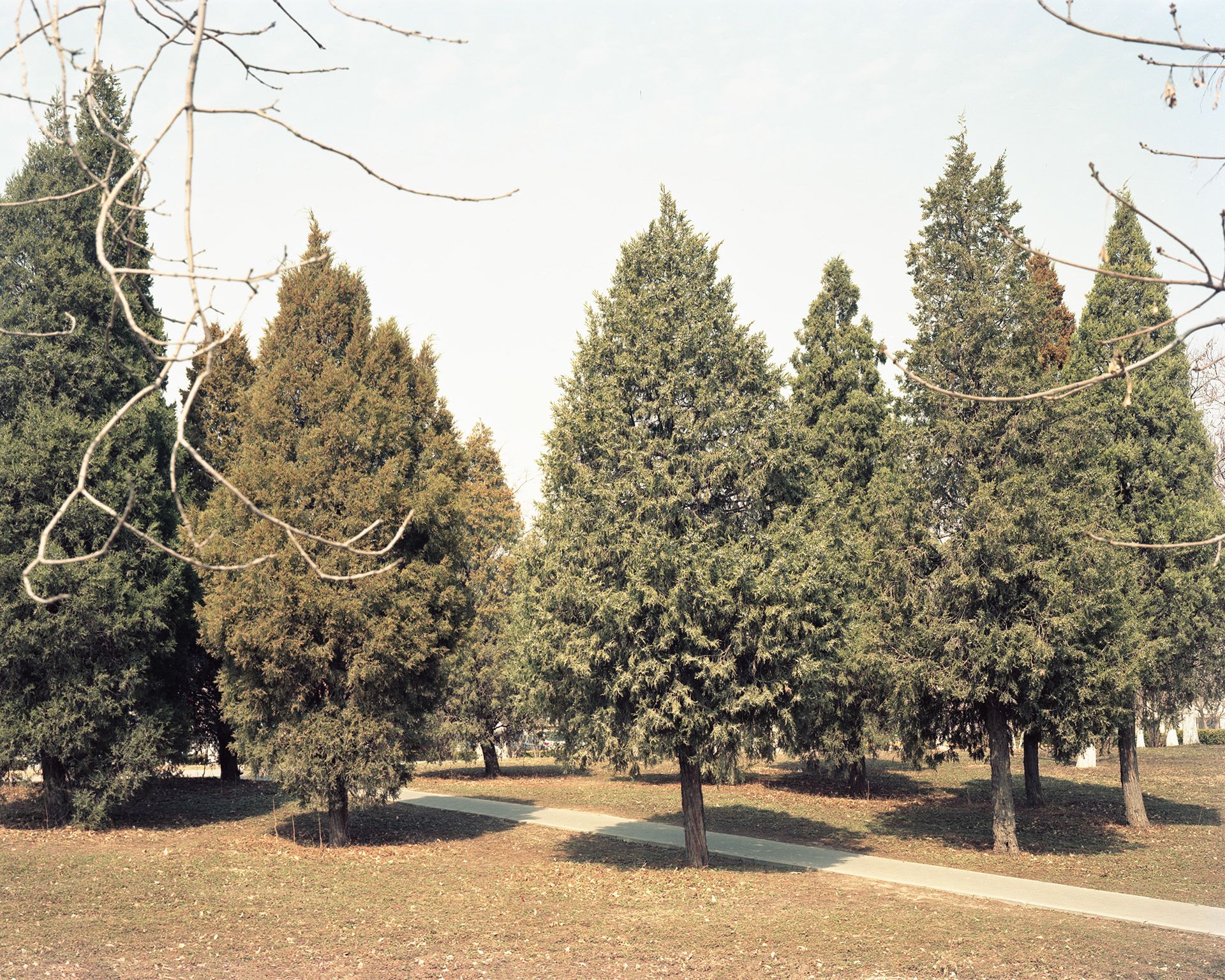
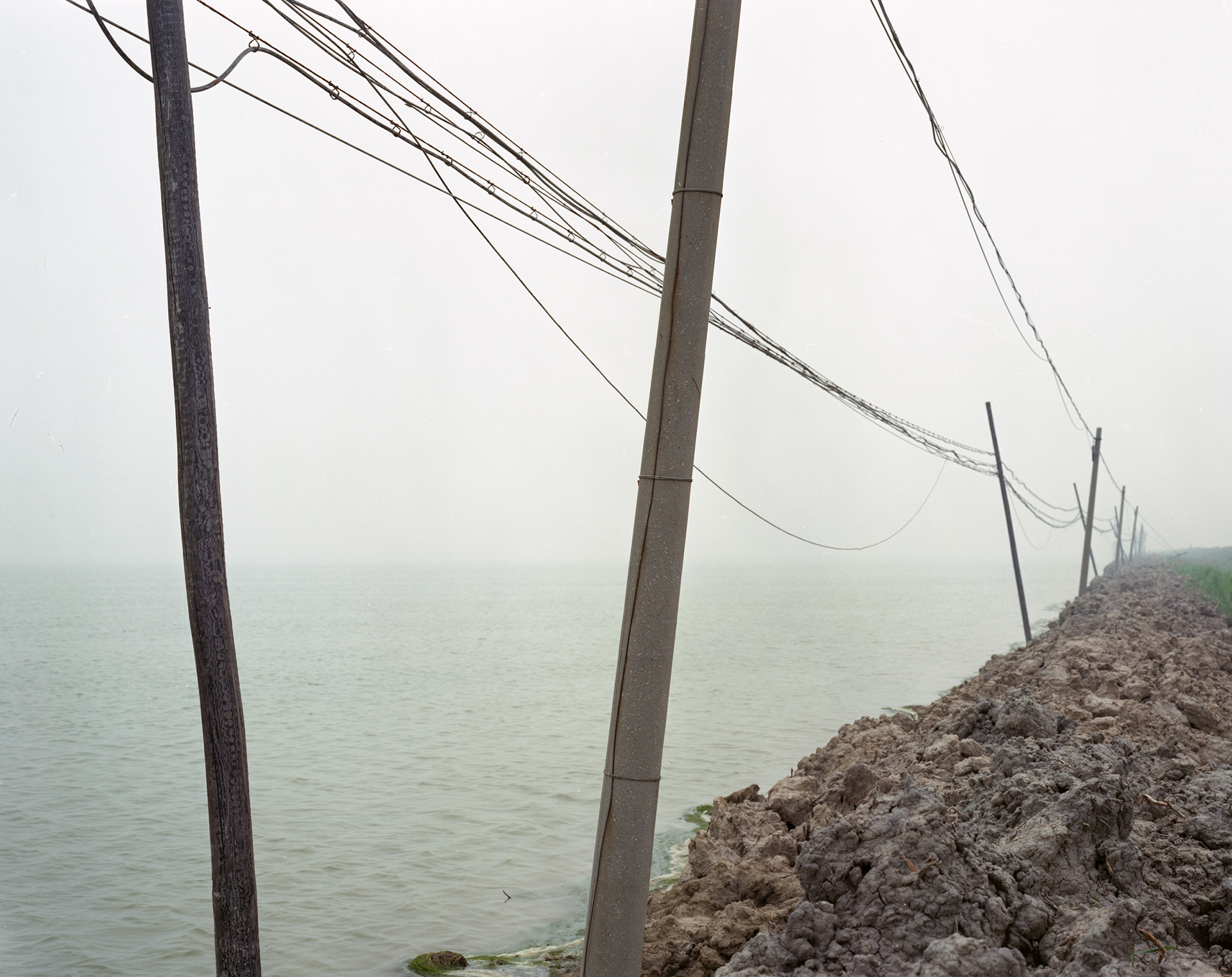
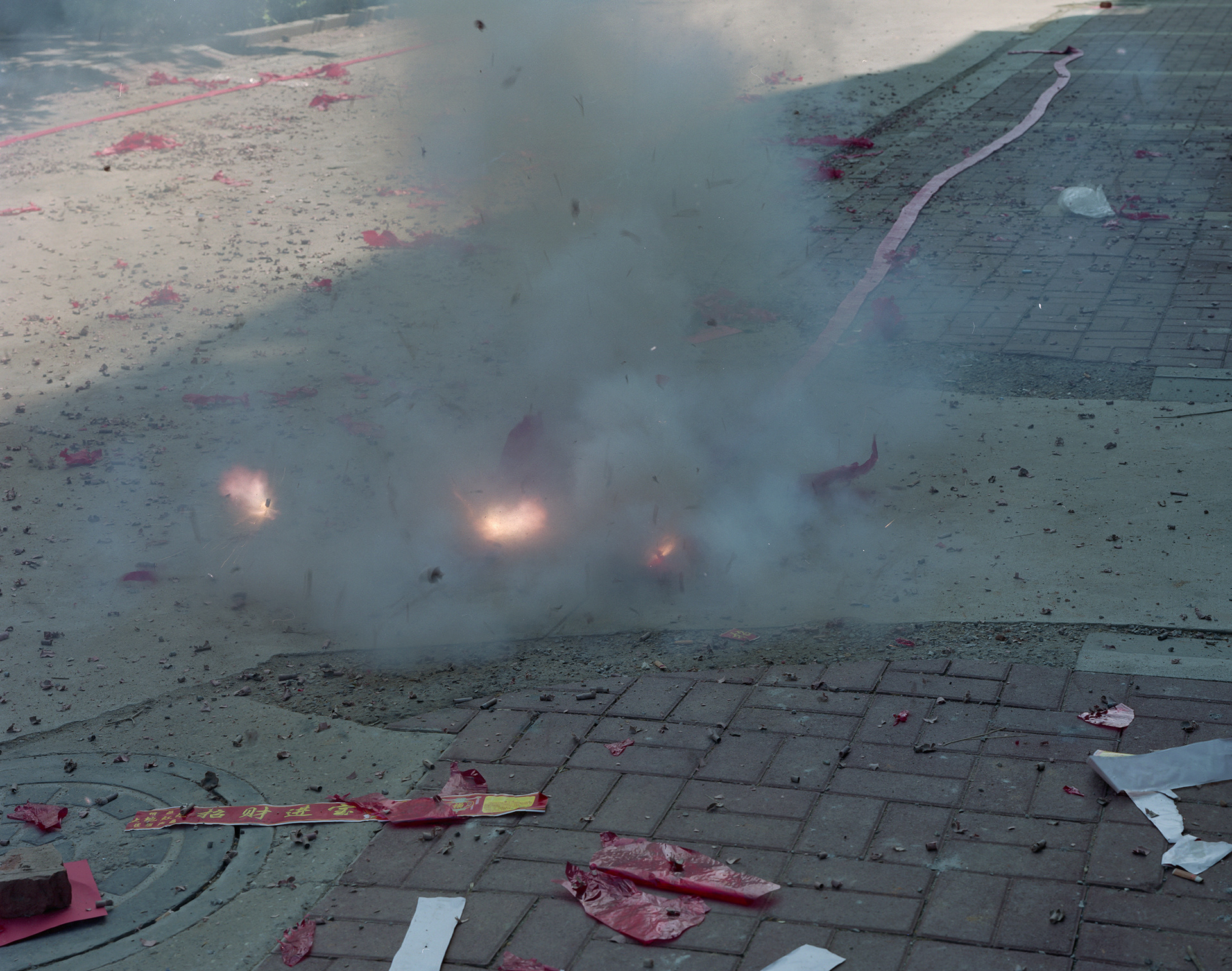
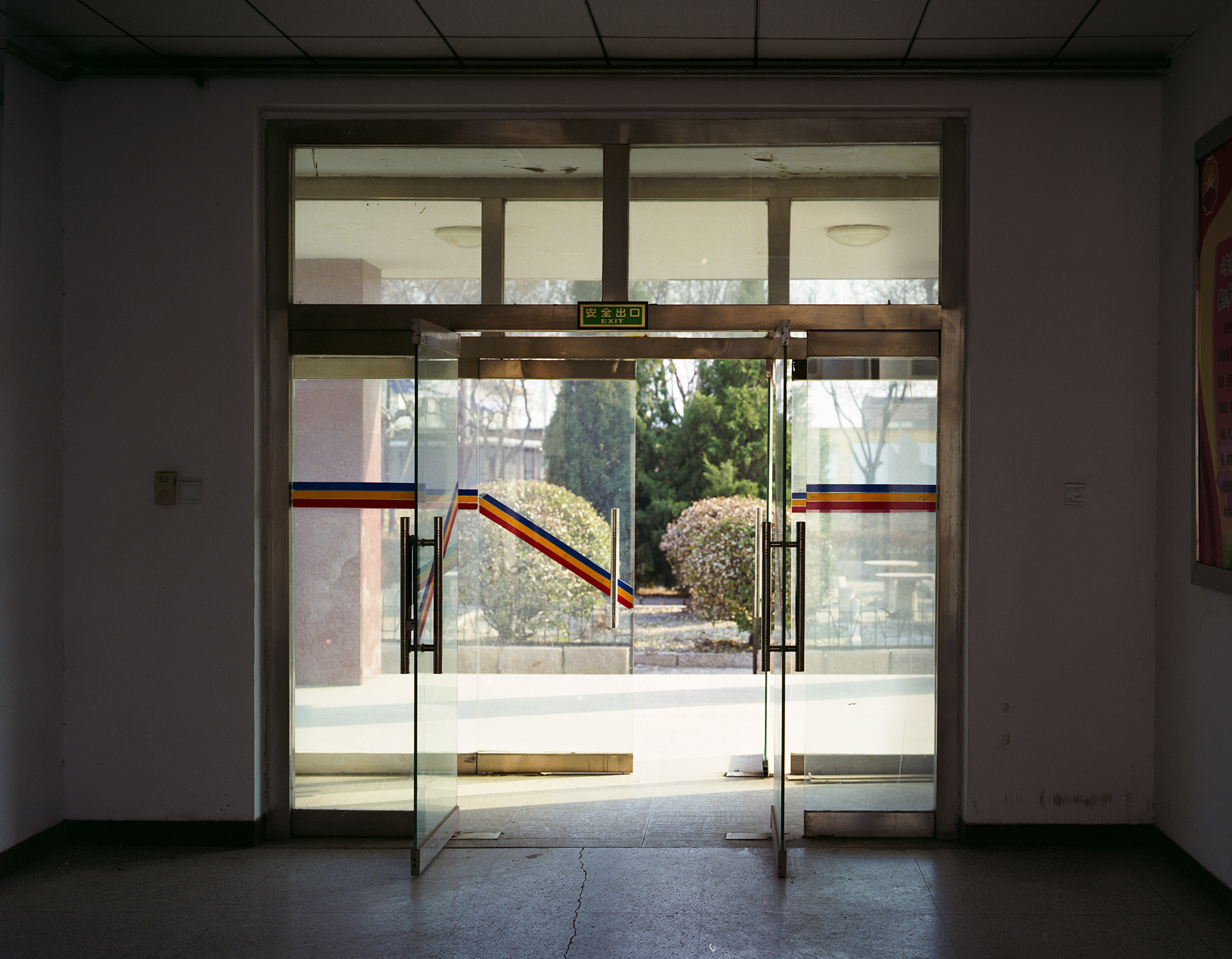
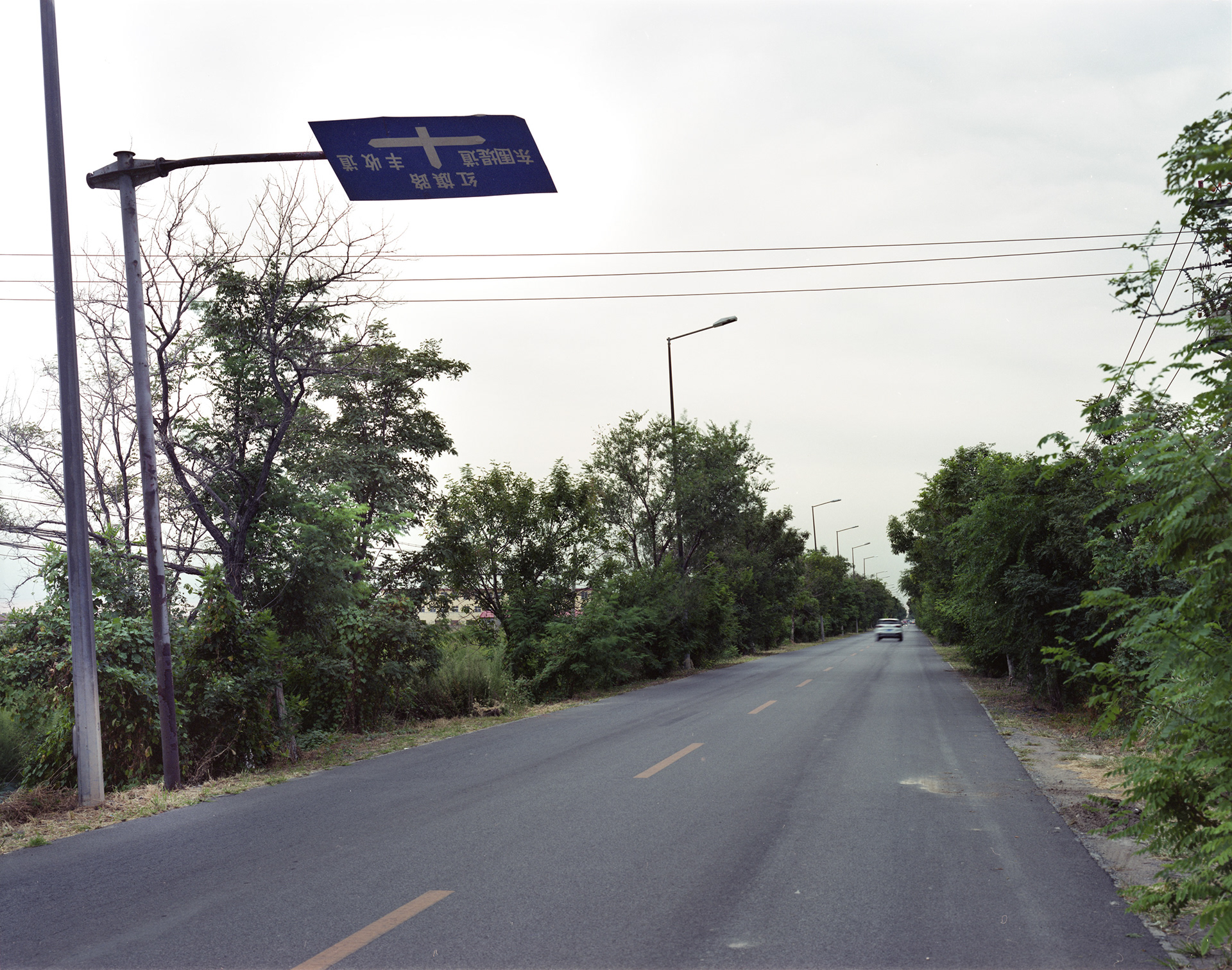
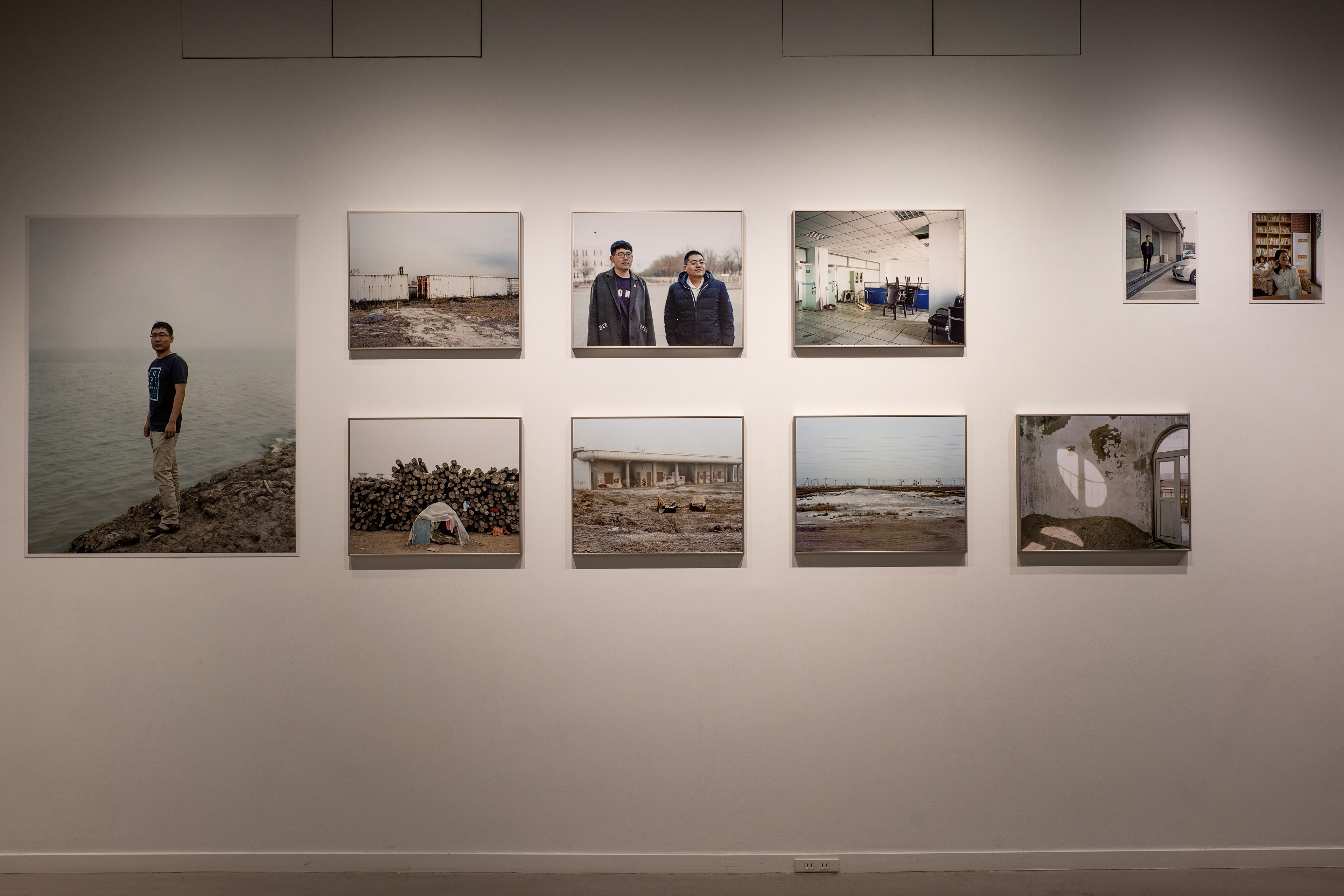
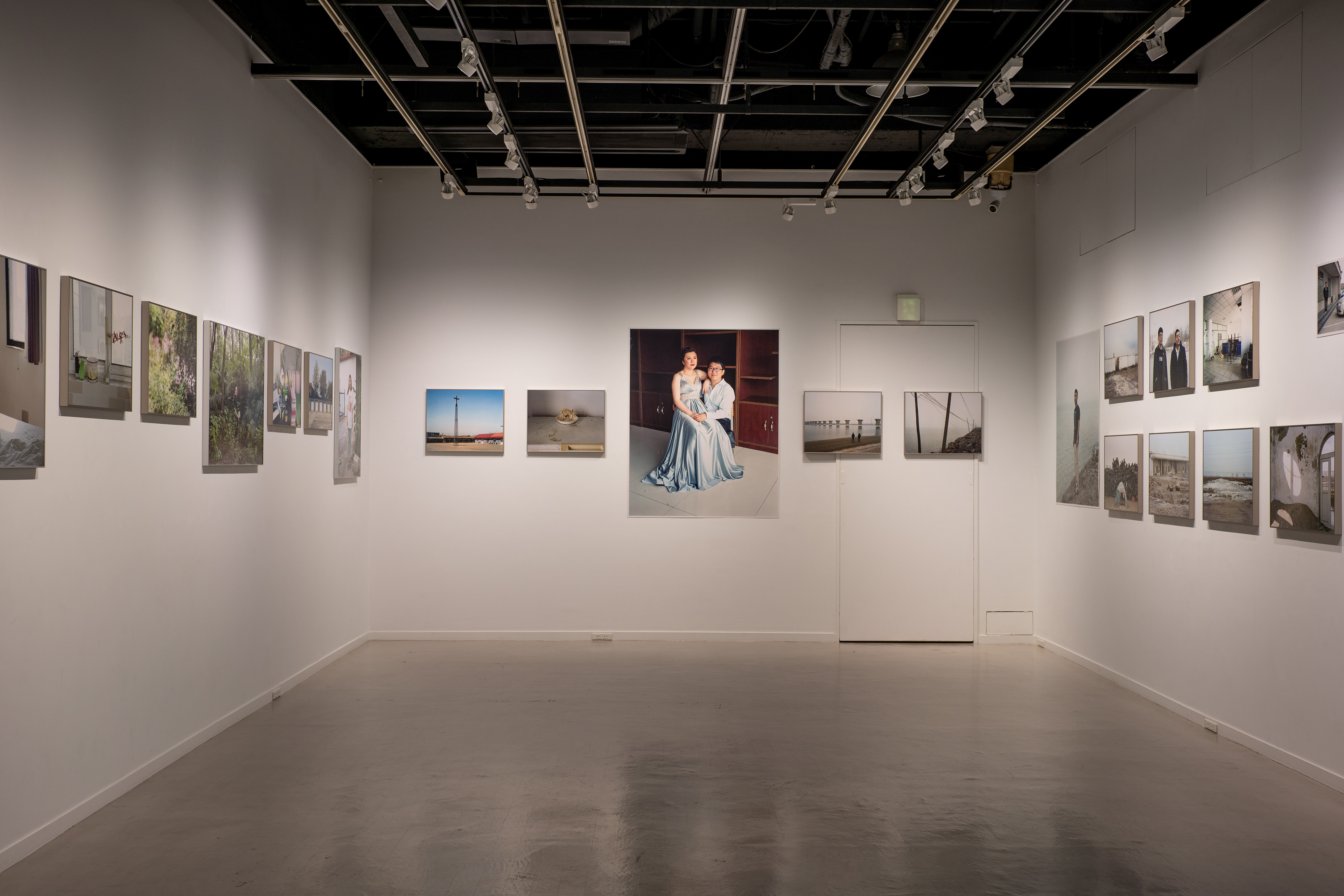
This work is a photographic meditation on my hometown, an oilfield city in northern China where I was born and raised. It seeks to quietly render visible both the loss of a place undone by the collapse of a system and the incomplete, fragile condition of those who continue to live there. In 2018, the series received the Grand Prix at the Photography 1_WALL competition in Japan. Once built as a symbol of national energy development, this place entered the twenty-first century only to rapidly lose its original function, drifting in both its meaning as urban space and its social memory. My photographs do not merely record this physical deterioration. Rather, they attempt to express the lived experience of rupture and fracture shaped by a violence that took effect before words could arrive: the violence of institutional collapse and the violence of silence.
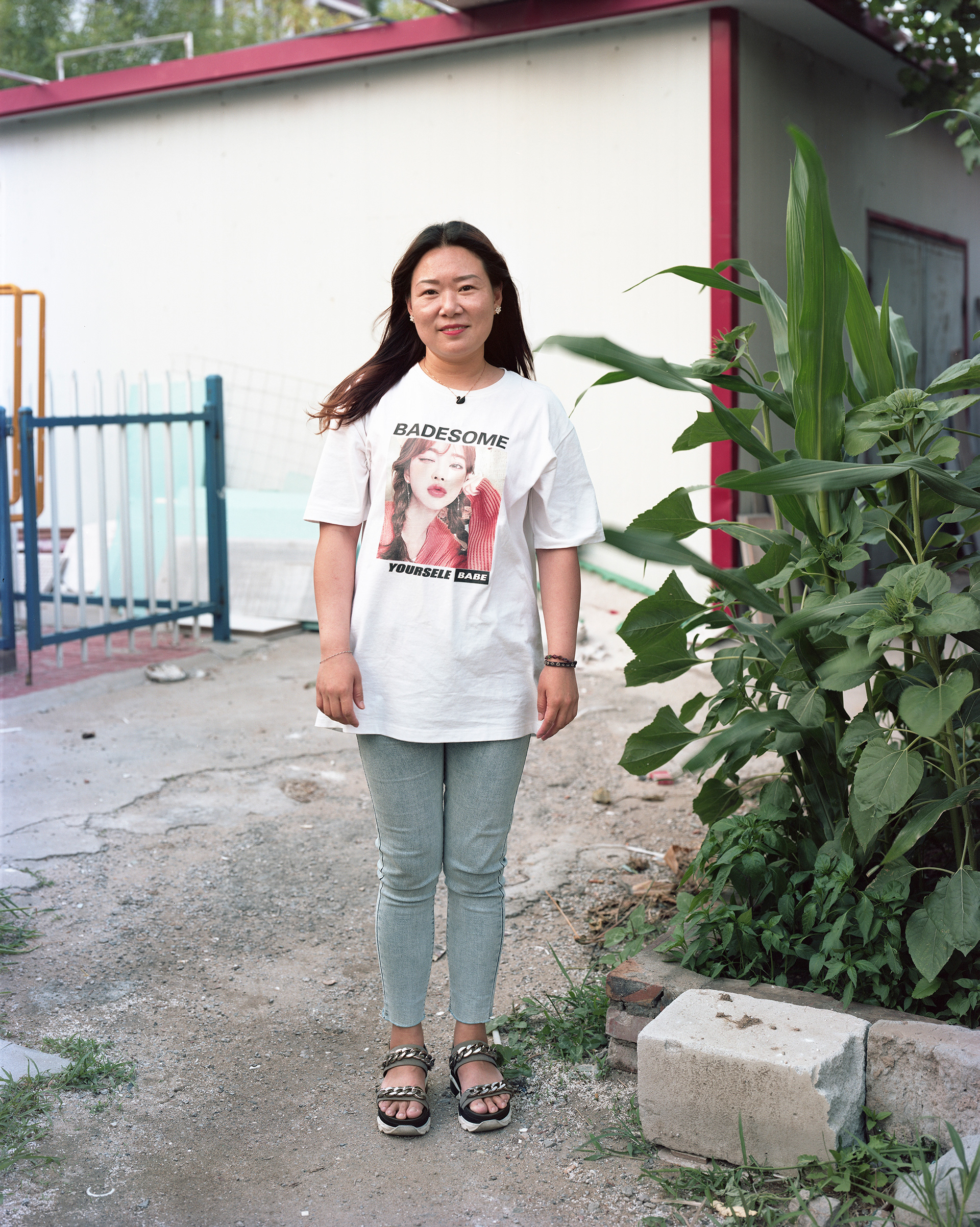
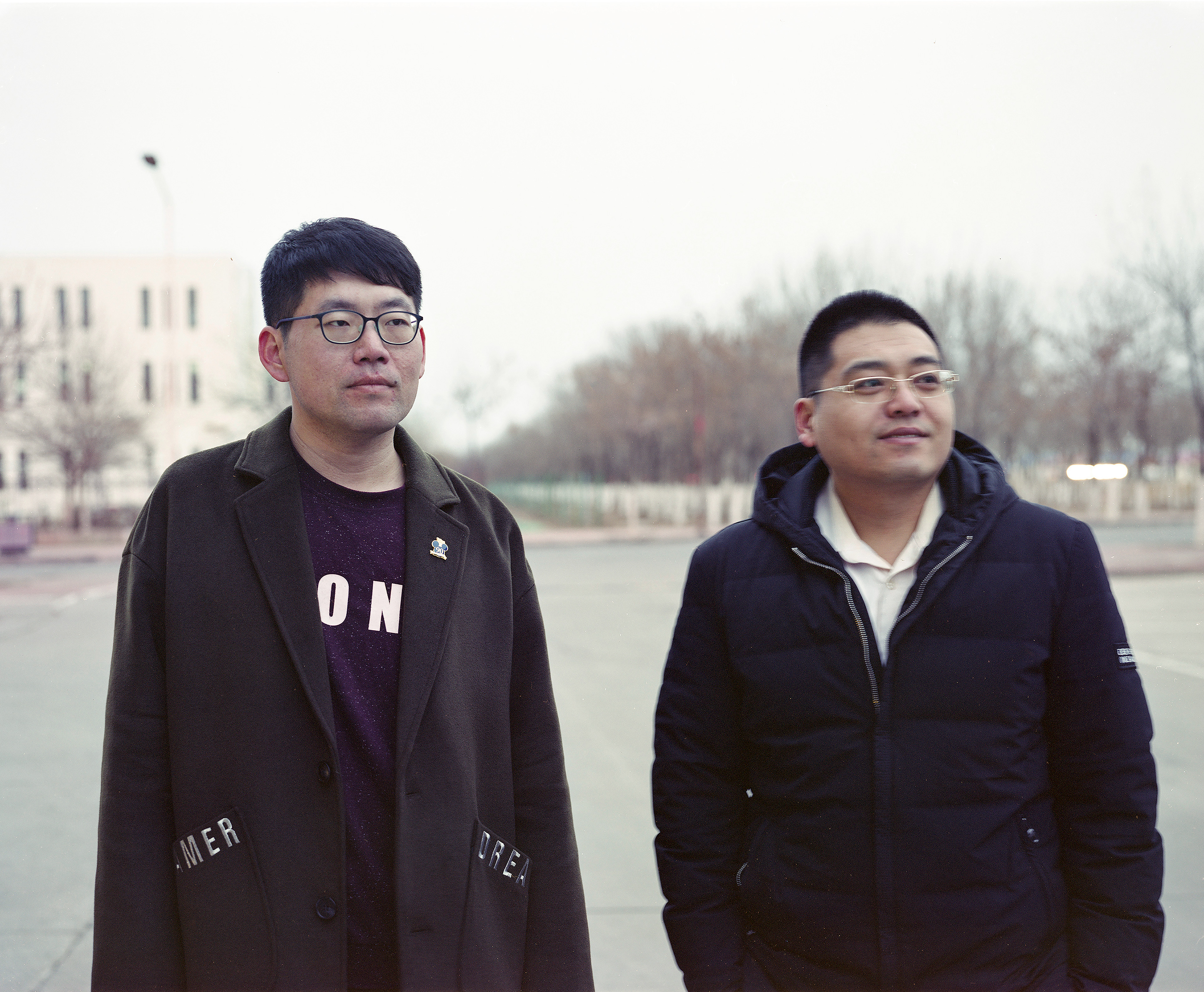
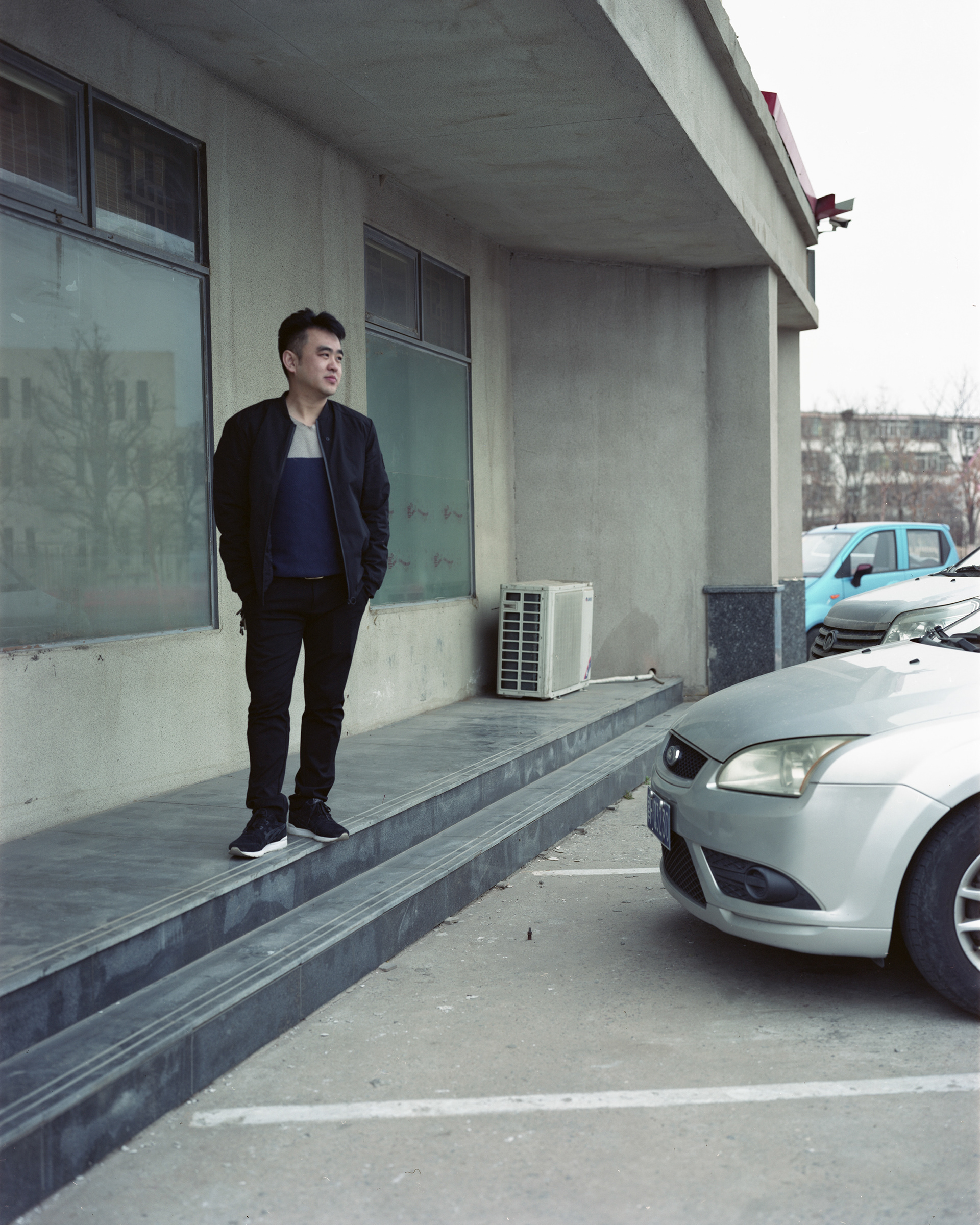
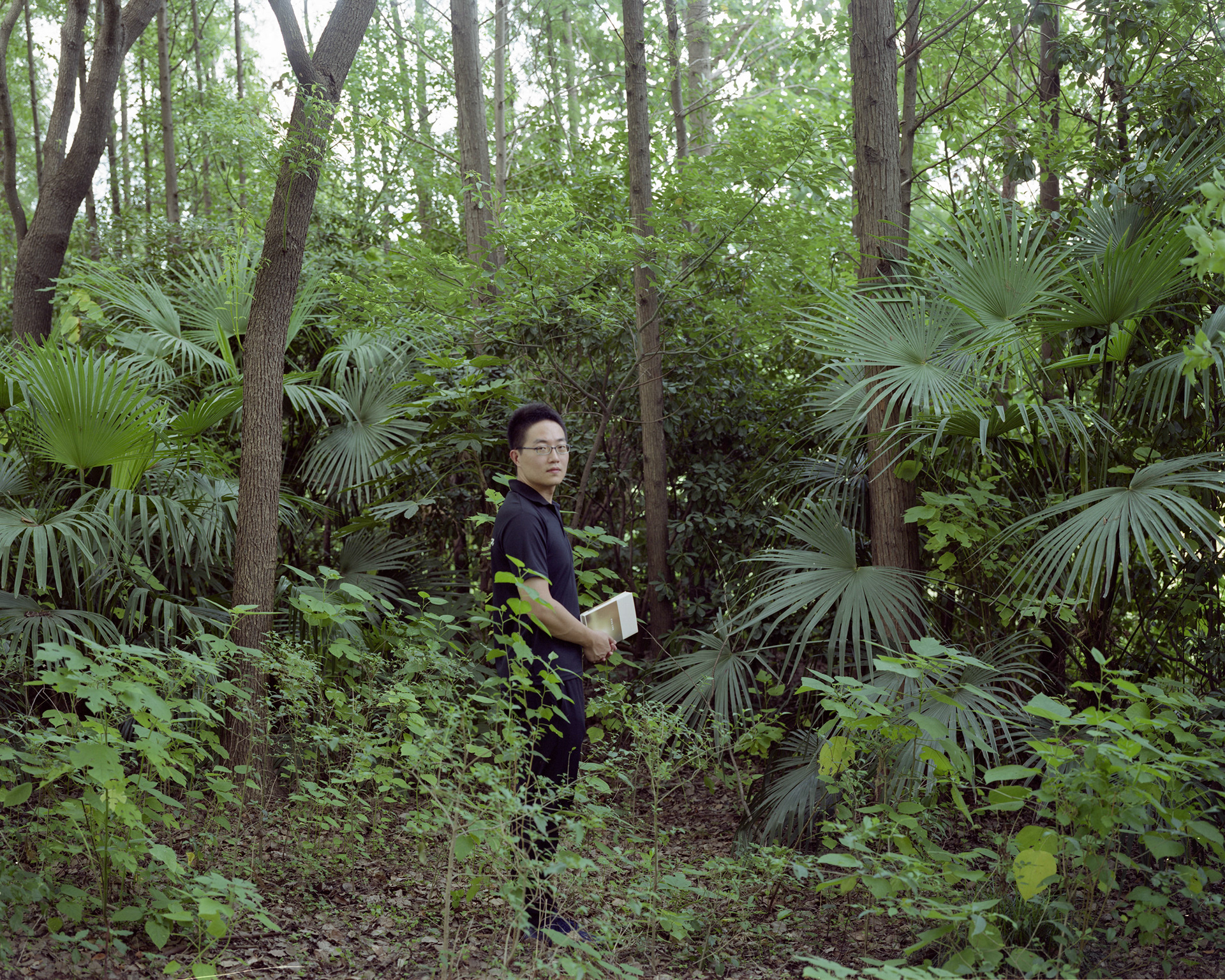
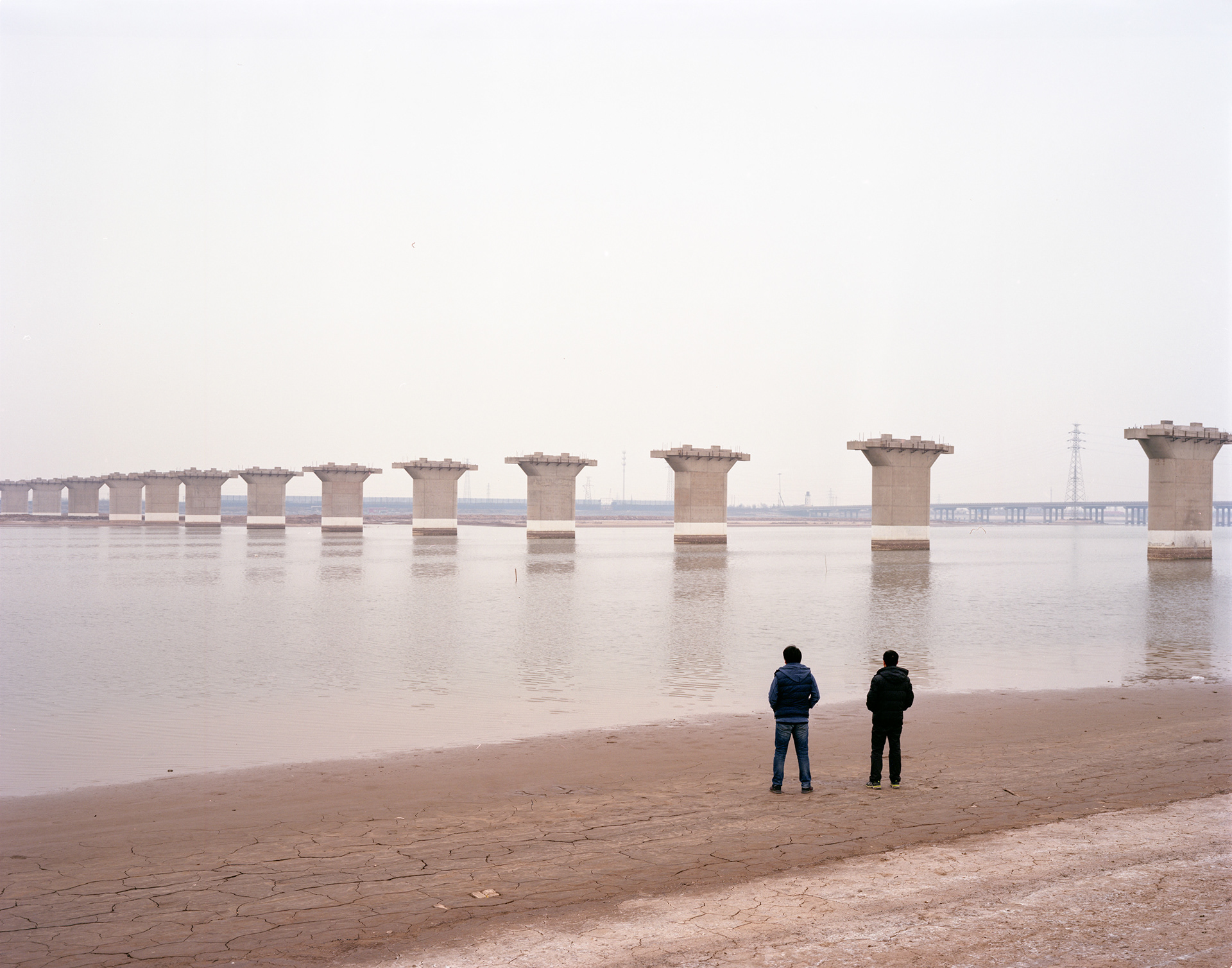
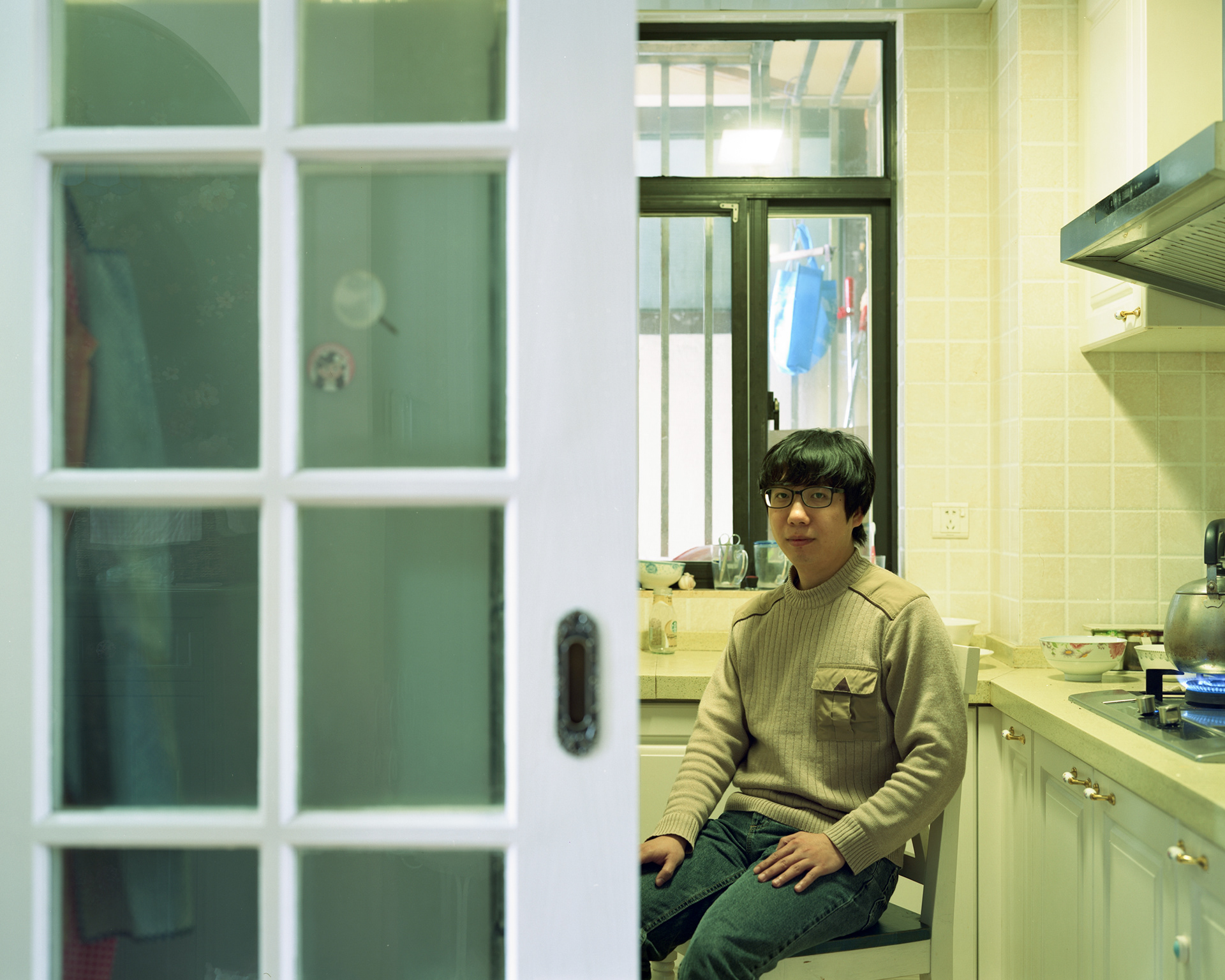
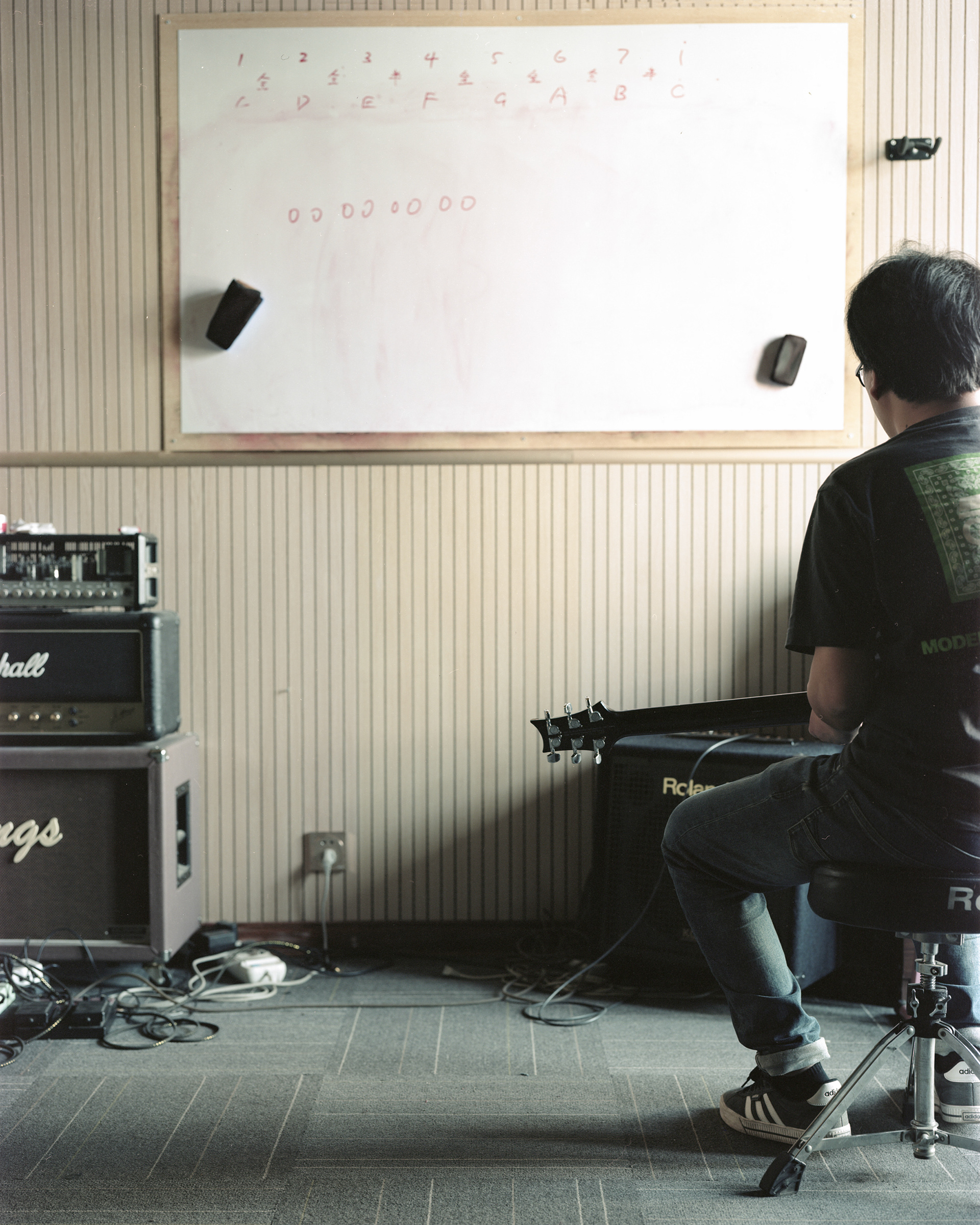
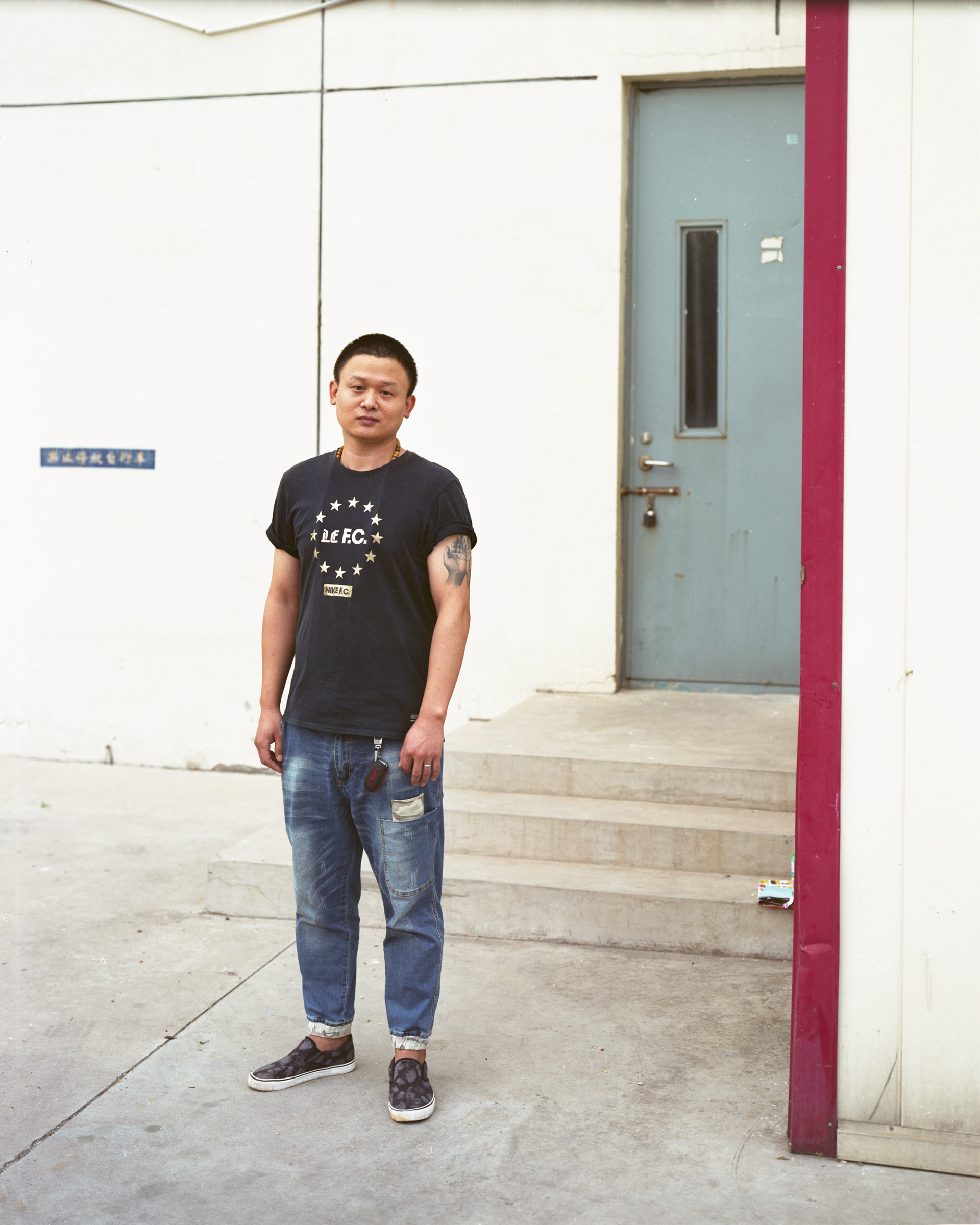
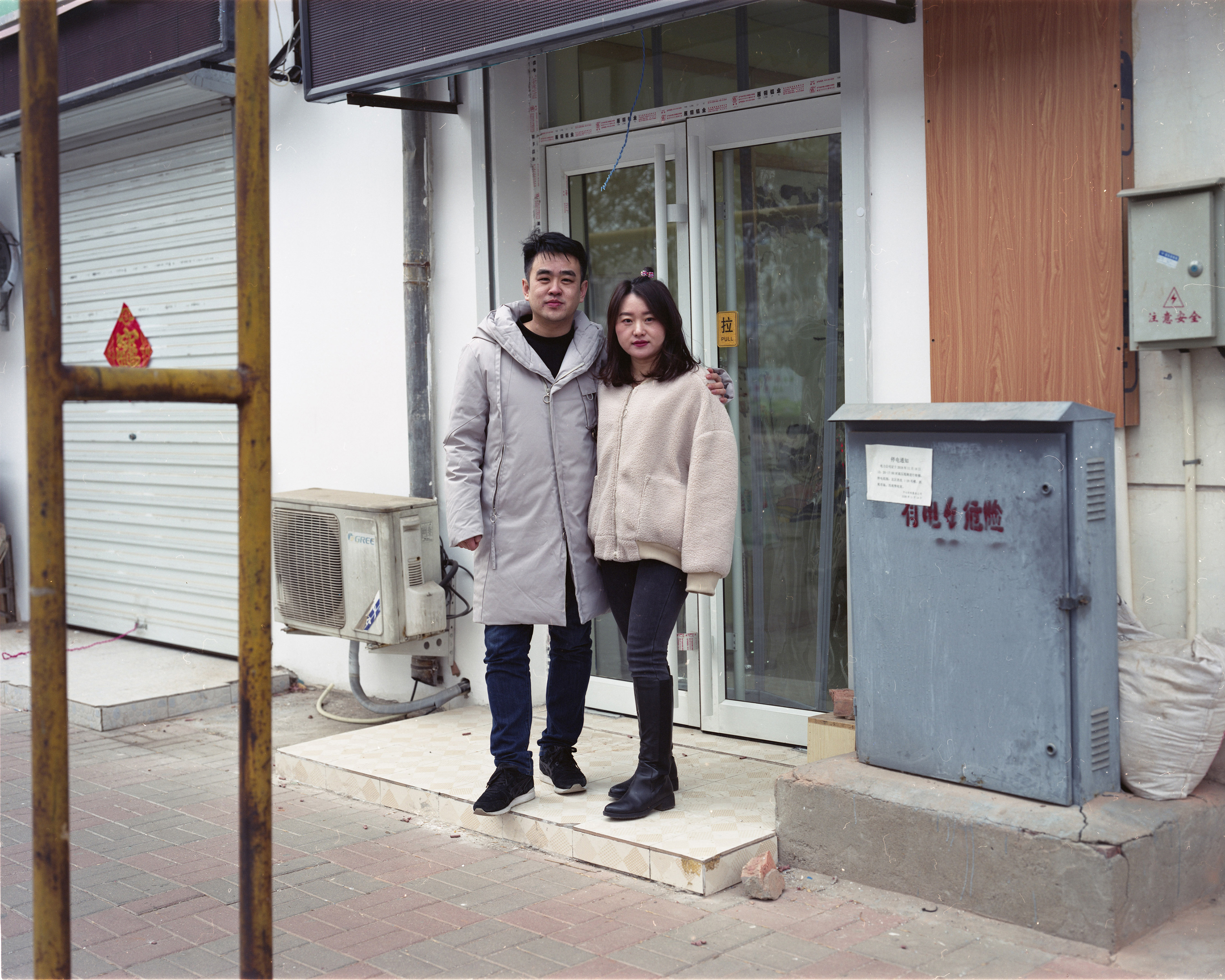
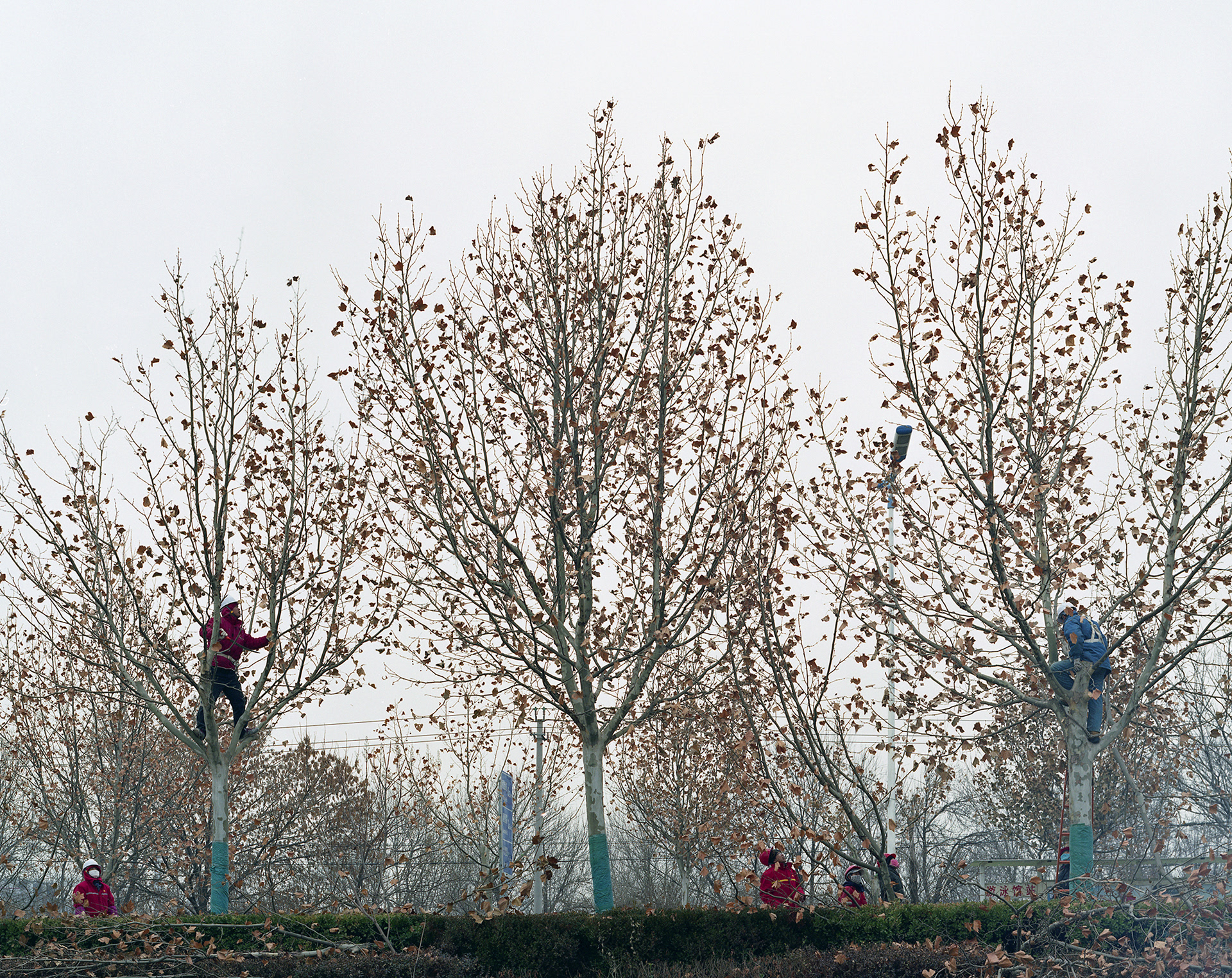
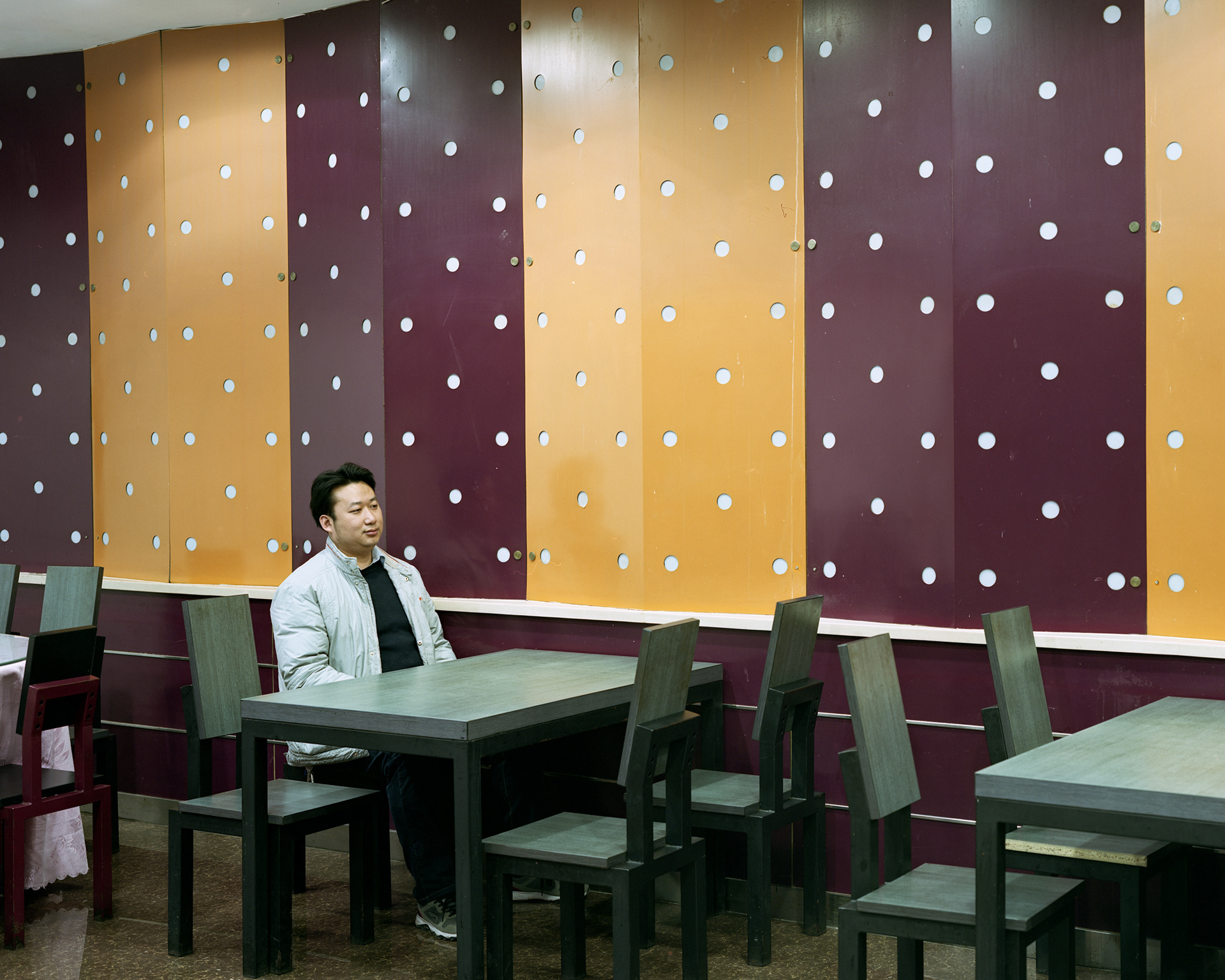
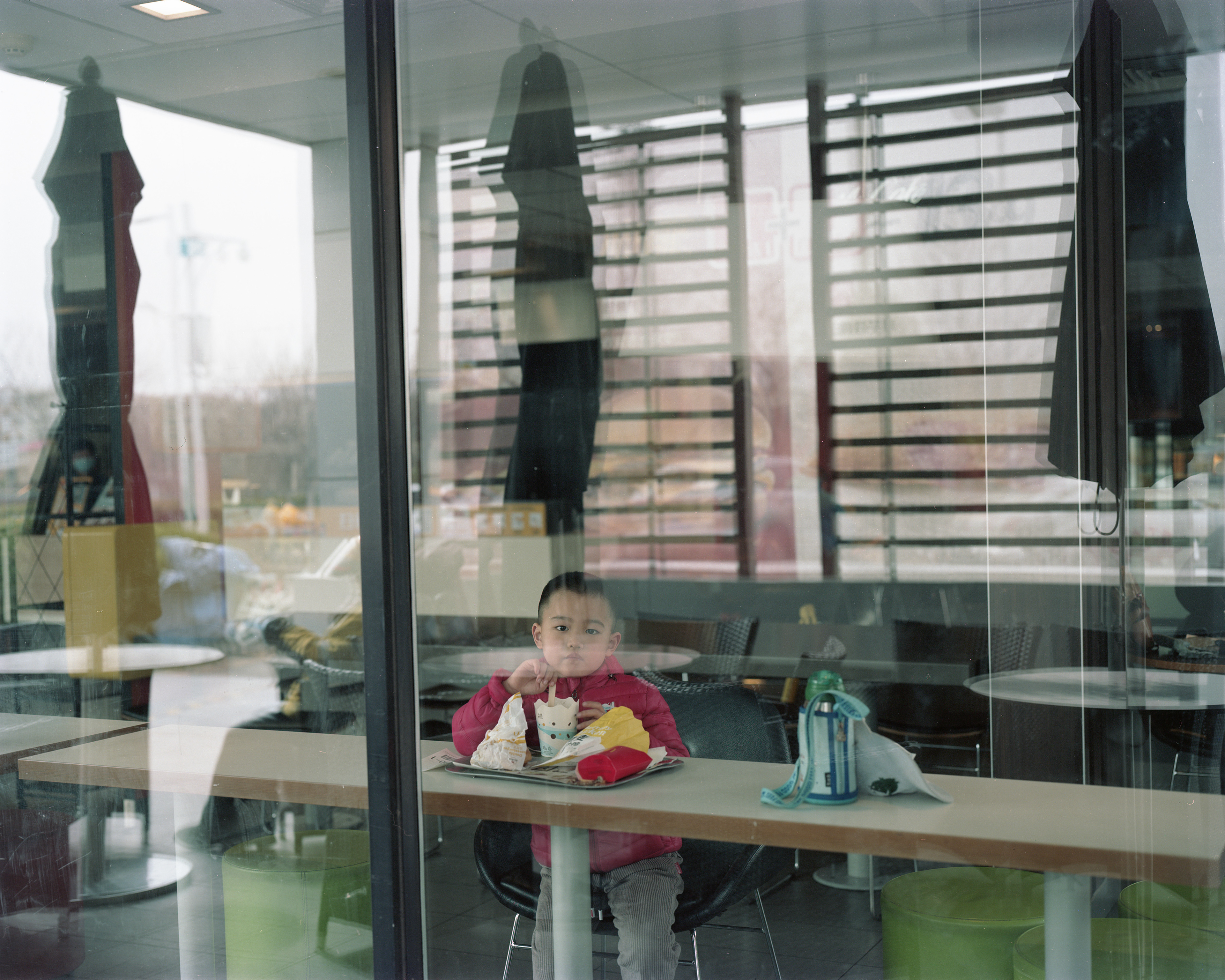
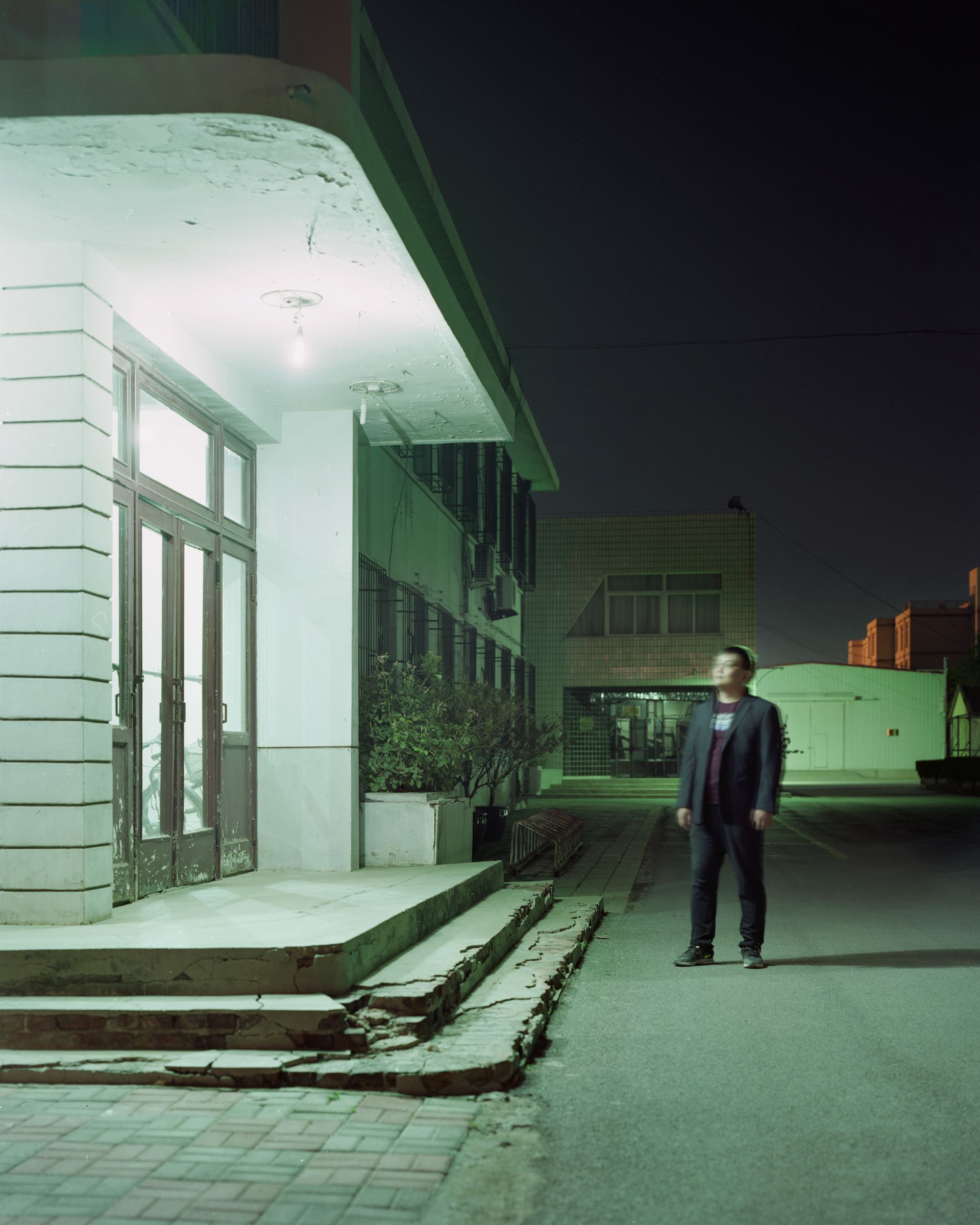
In this work, the landscape is always photographed from a neutral distance, and the people who appear within it also seem somehow unmoored, suspended without clear belonging. What is shown here are individuals left behind after the loss of a once exalted collective ideal, figures who have failed to become anyone in particular and have never fully become themselves. Including myself, they remain caught in daily life without resolution, carrying both pride and inferiority, longing for the outside and attachment to the inside, while never arriving at a stable definition of who they are.
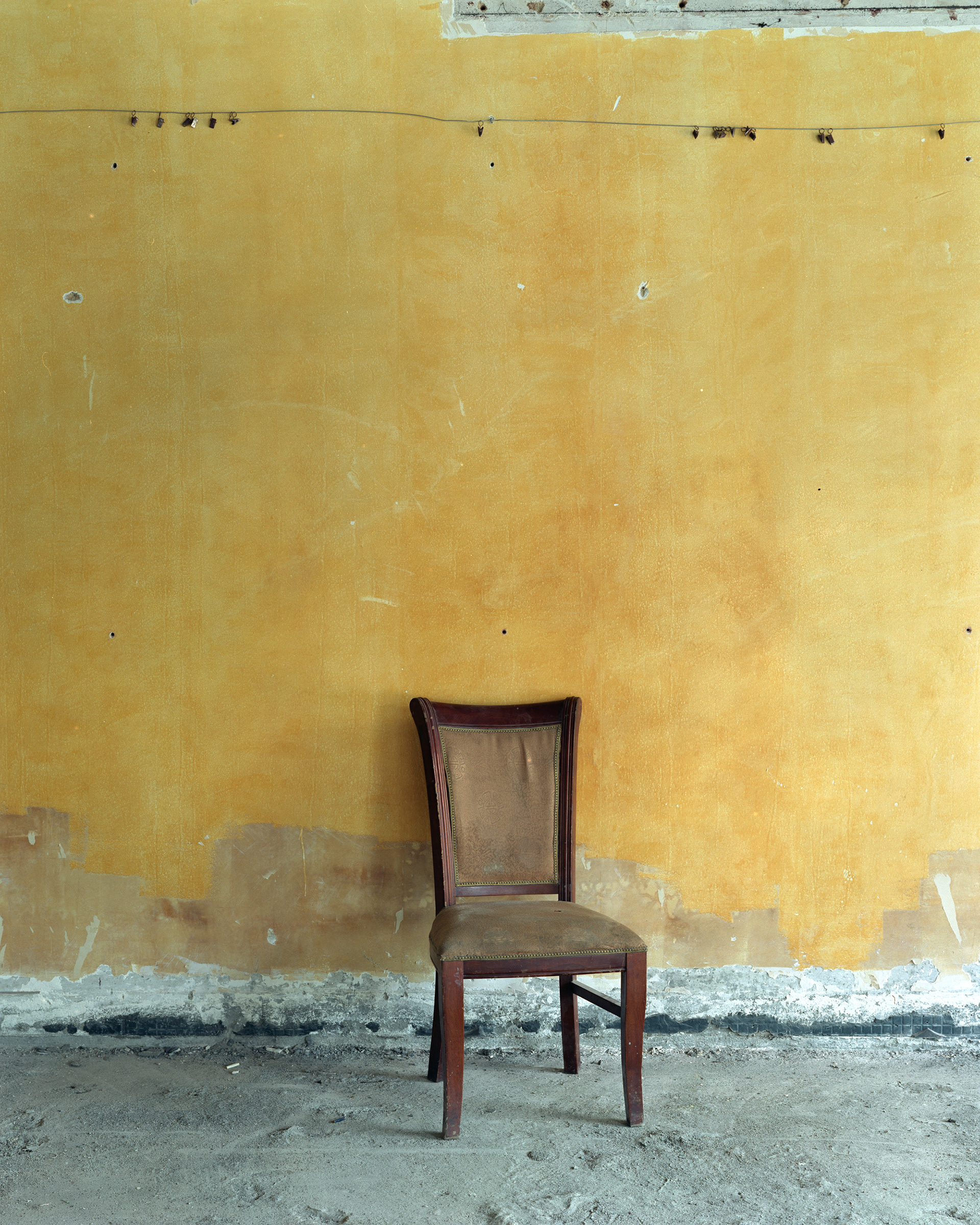
For example, when I speak what is now considered my “native” language, there are moments when it suddenly falters and stumbles on my tongue. This is not a matter of vocabulary. It belongs to an earlier level, where the very structure that guarantees the speaking subject has already collapsed, and at the instant one tries to speak, the inadequacy of speech itself cuts through the self. It is precisely this structural impediment that reappears in my work in the recurring forms of silence, backs turned away, and ruins.
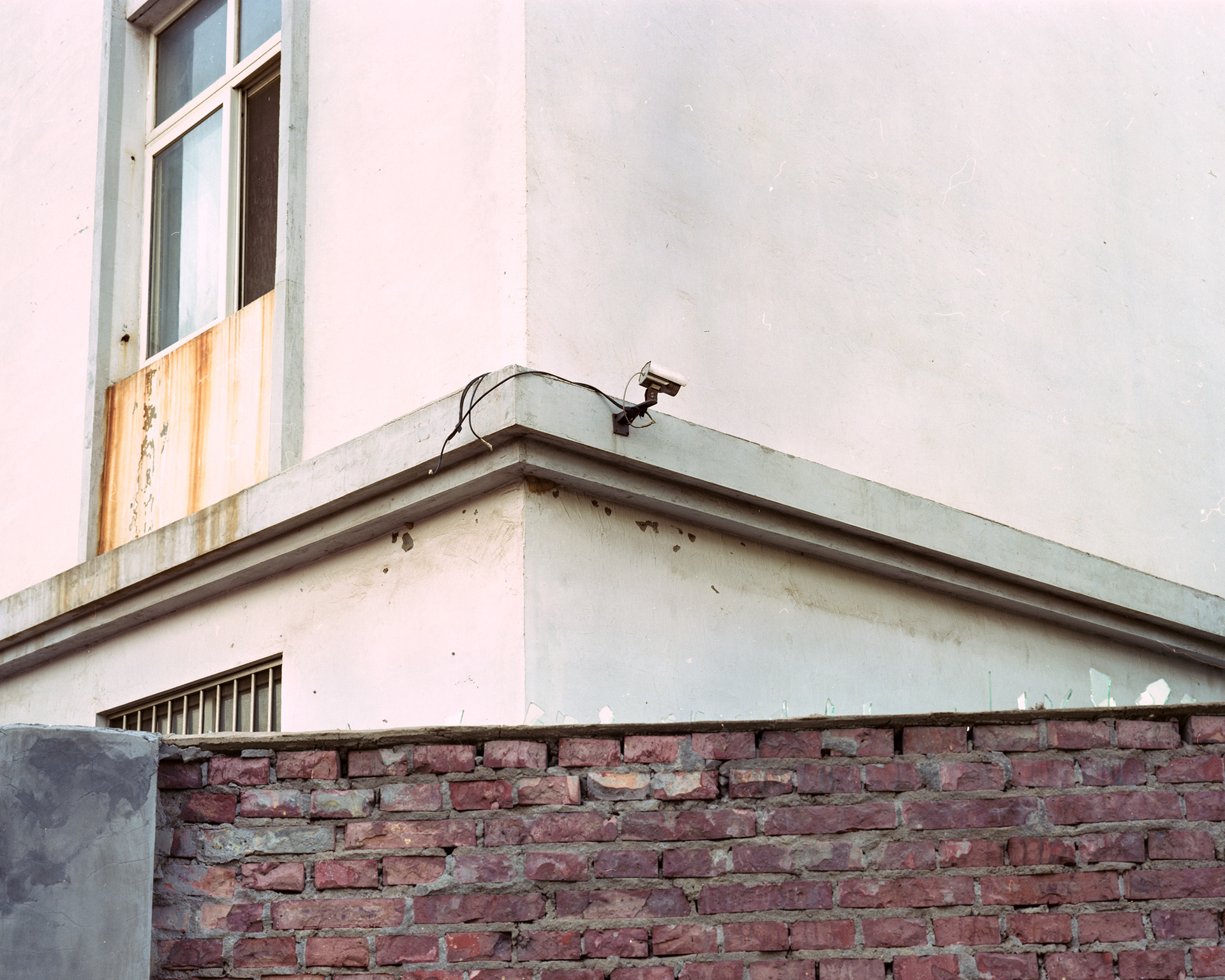
Photography, by its nature, is an act of cutting into reality through a gaze that precedes language. If one recalls that such a gaze once functioned as the gaze of the state, carrying the powers of planning, control, and surveillance, then the photographic act in this work may be understood as a belated personal response to that history. Yet the work does not take the form of direct protest. Rather, it chooses to remain among those things left behind after the force of institutional and narrative speech has completely failed. To stay with what cannot be gathered into coherence, and to sustain that space, is the ethics of the work and also its politics.
After the institutional force of the question “Who speaks, when, and what is spoken?” has broken down, what remains is a photography that takes upon itself the condition of not being able to speak. This is what my practice seeks to do. Within it appear the faint postures of beings for whom neither speech nor resistance can fully take form. In a world where language has been lost, and where even speaking itself becomes a strategy, people still remain. I want to continue looking for that faint light of existence within a time and space dissolving into dust.
About the Place
The Oilfield is an oil-producing region in northern China that yields both crude oil and natural gas. It spans administrative borders, extending from the southern part of Tianjin into the neighboring city of Cangzhou in Hebei Province, and also manages oilfield zones that reach into Bohai Bay. Exploration began in 1964, and production started in 1967. Output peaked between 1975 and 1982. Today, however, production of its former main product, heavy crude oil, has declined, and the region has taken on a stronger role as a hub for the storage and supply of natural gas. It continues to operate in order to provide energy for everyday life in surrounding areas, including Beijing. Yet it is difficult to say that the economic benefits of this ongoing activity are being sufficiently returned to the local community. At times, it seems as though its most basic function now is simply to ensure that people can survive the winter in warmth.
In recent years, the area has again drawn attention. In 2013, it was identified as a site for shale oil exploration, and subsequent surveys and evaluations announced the presence of abundant shale oil reserves. At the time, industrial development did not proceed due to technical and engineering limitations, but in 2019 it was reported that renewed attempts at mass production had succeeded at two shale oil wells. Shale oil refers to crude oil contained within rock formations deep underground, and its extraction requires advanced technology. If this success is applied more broadly in the future, a significant increase in output may be expected. There has also been positive news concerning the discovery of large natural gas reserves in the region. Even so, it remains unclear to what extent such developments are being returned to the lives of oilfield workers and local residents.
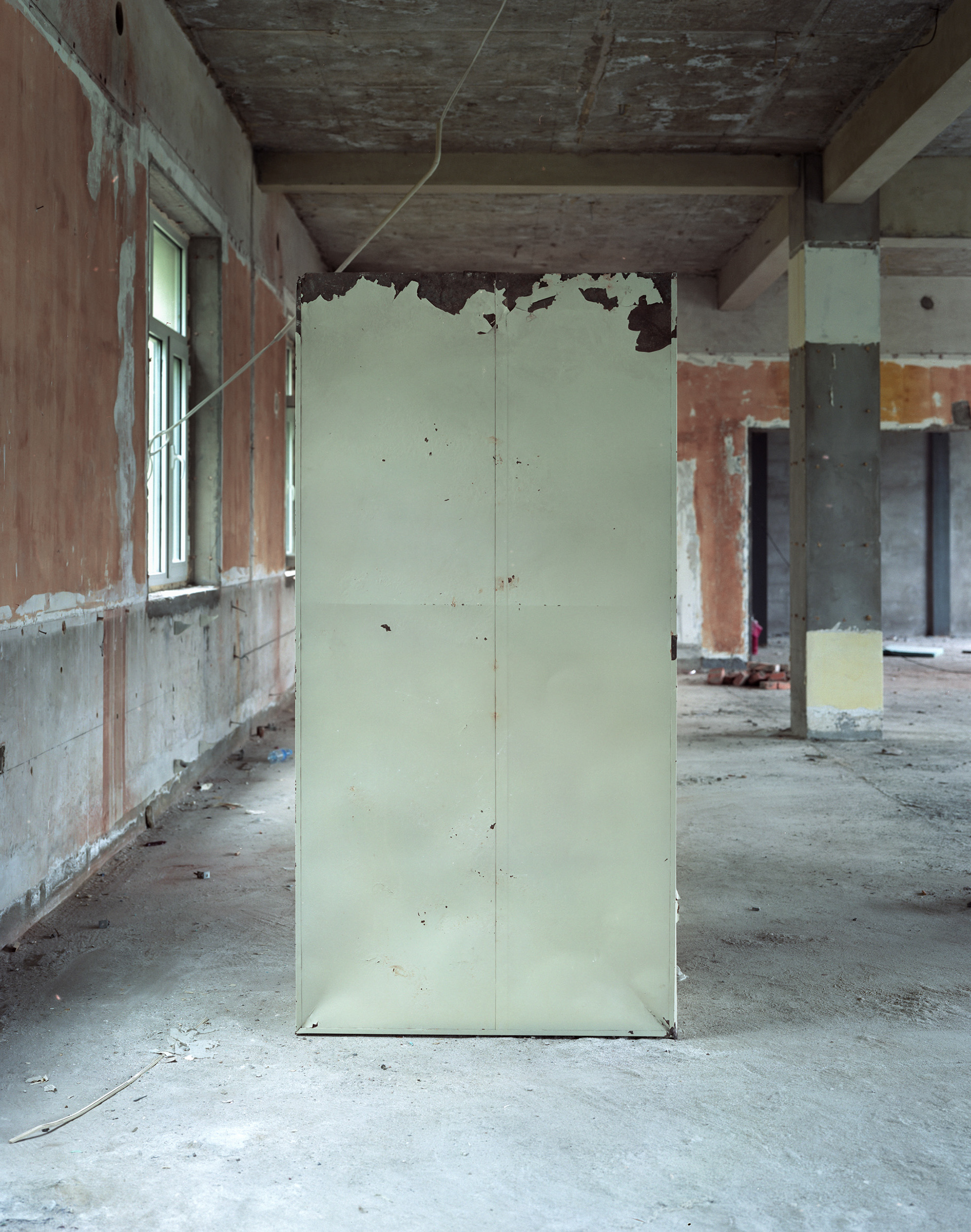
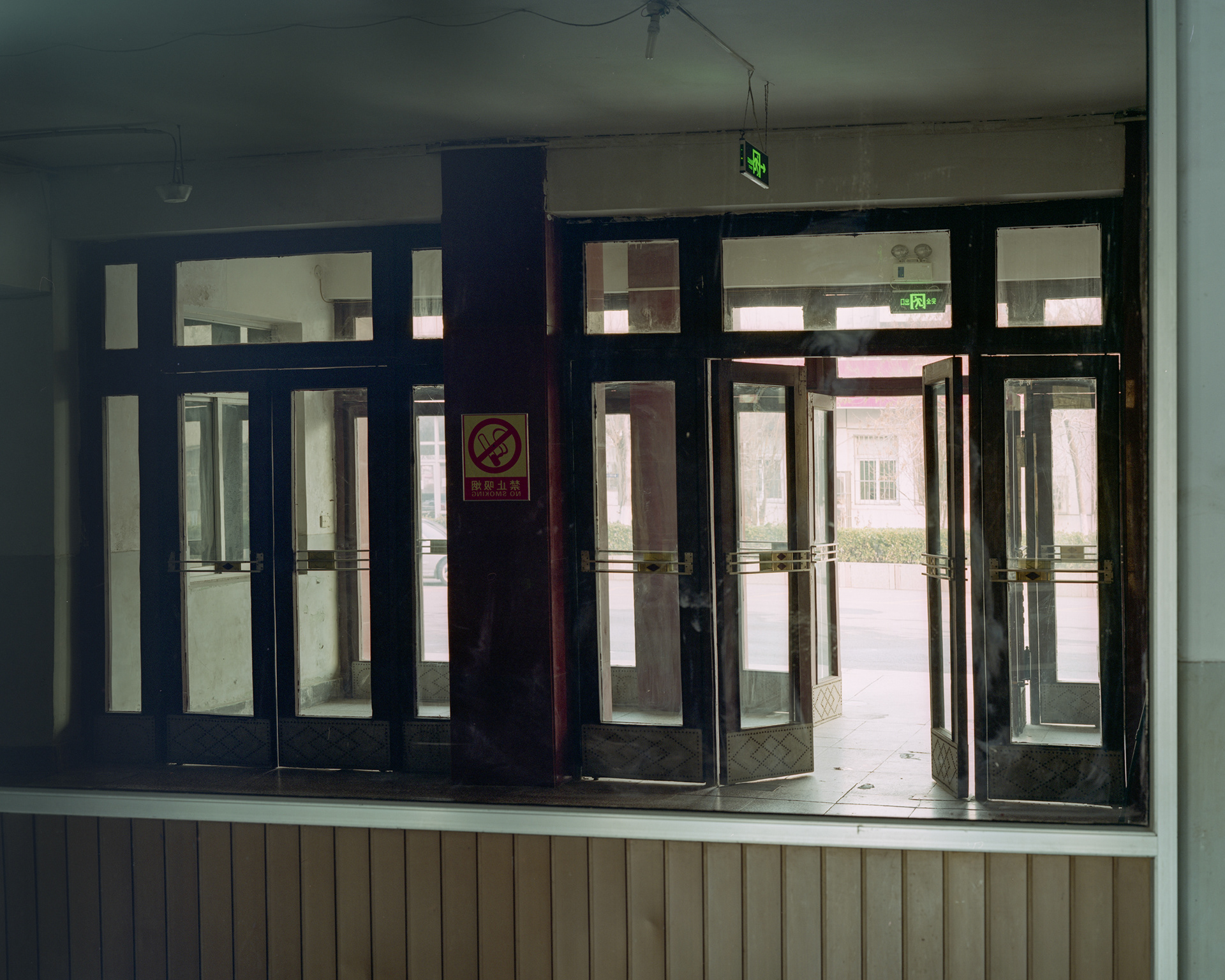
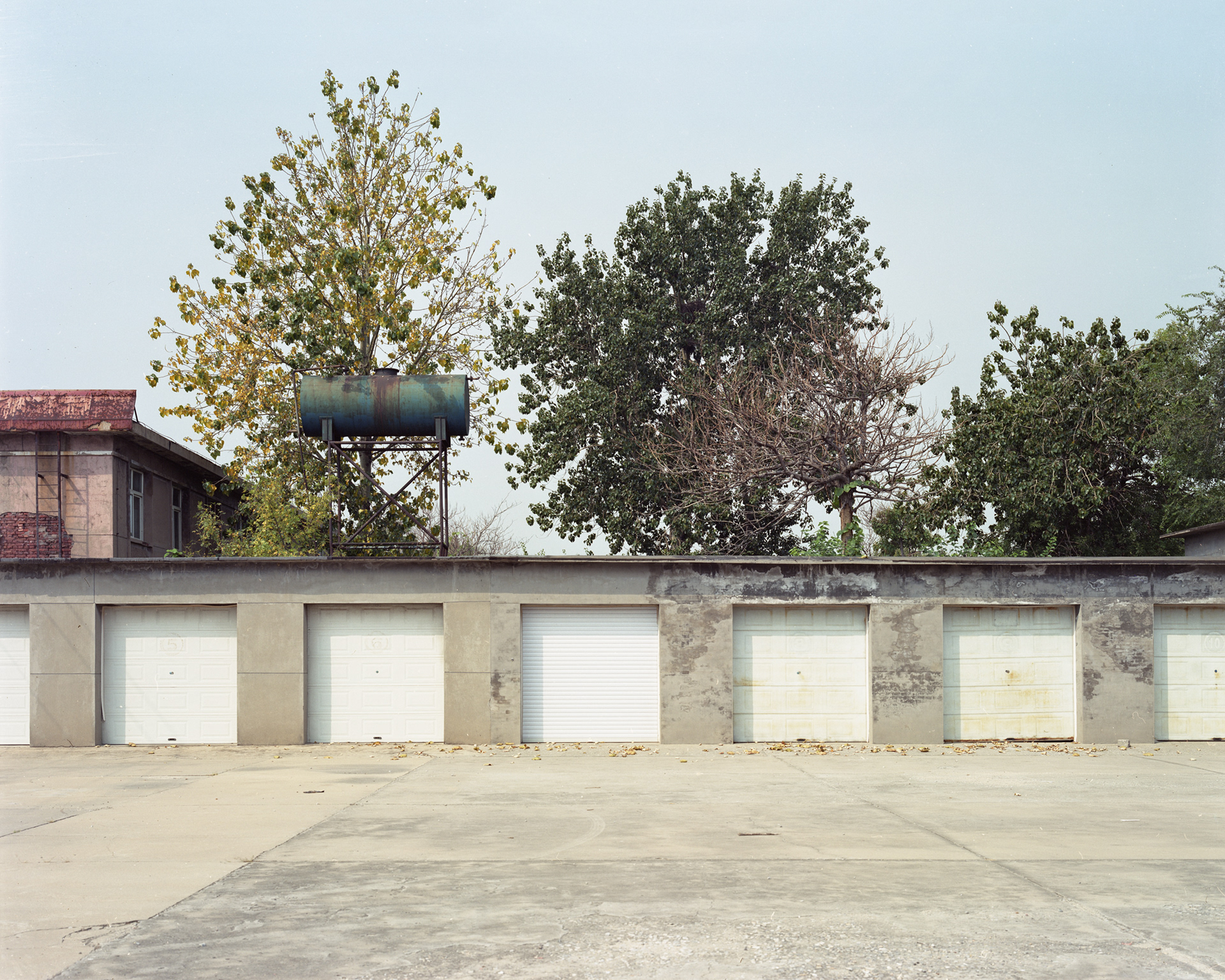
Originally, the term “oilfield” referred simply to underground or offshore crude oil deposits. But with industrial expansion, the residential zones built for workers and technicians gradually spread, and over time a community began to form. Today, the area has bus terminals, apartment blocks, schools, hospitals, markets, and other facilities necessary for daily life, and functions outwardly as a town. Yet these were built only to sustain a minimum living infrastructure. Although the town appears to possess all the required functions, many parts of it are not fully used in practice. Moreover, the area is divided across administrative borders and scattered in an enclave-like manner, making it difficult to form a cohesive regional identity. Added to this is the fact that unused buildings are often left abandoned within the living environment itself, making it difficult for people to develop intimacy with the place or a clear sense of belonging.
Historical and Social Background
This town was built in a historical moment when the state sought to demonstrate the power of nationalized resources and raise collective morale. Because it functioned as a self-contained community in an isolated environment far from the city, those who spent their youth there still recall that period with pride and exhilaration. Yet what now stretches before our eyes is a landscape marked by decline, standing in sharp contrast to those memories.
At that time, labor and self-realization were linked in a relatively simple way, and society as a whole was permeated by a certain kind of rational order. For those who still long for that simplicity, time may remain sealed in amber. But once the gears of history began to grind and the grand narrative started to collapse, the loss of the former ideal’s dignity sank deeply into people’s inner lives, overlapping with the actual process of decay unfolding around them. The ruin visible today has washed away the ideals once held with pride, bending and complicating what had once felt like a vivid sense of life.
The ideology that once functioned as a unified mass has disintegrated, and its shattered residue has accumulated at the bottom of people’s consciousness like sediment. As a result, even the foundations of perception and sensibility have become clouded, and it is increasingly difficult to find stable ground from which to take a new step forward. This hesitation is shared both by the older generation and by those raised within the family structures shaped by that generation.
People who come from the oilfield seem, at times, to internalize external pressures too deeply. As a result, it becomes difficult for them to maintain a coherent sense of self, and their connection to the outside world can fail to align. This may also be understood as a fault line between an older generation formed by collectivist modes of behavior and a younger generation raised within the expanding conditions of a market economy.
Those born and raised in this place live within a town that feels as though a tear has opened in time and space. They waver between the desire to reach outward and the sensation of that desire quietly subsiding. At times they try forcefully to move toward the outside world, and at other times they suddenly lose language and stand frozen in bewilderment. In such figures, it seems to me, the historical ruptures carried by this place and the complex interior lives of those who inhabit it become visible at once.
ステートメント
かつては油田で栄えていた中国の故郷の荒廃した風景と、熟知している友人ポートレイトで構成しました。広大でどこか殺伐とした風景を通して、「ここでは何も起こり得ないだろう」という消極的な予感を抱かせる一方で、それらの舞台を背景に佇む人々の生活の営みが温かく流れるのを感じさせたいです。淡々として無機質なものの集積でありながら、人の記憶や心理にゆっくりと、深いところに浸潤していくと望んでいます。町が廃墟化によって従来の存在意義を失い、人間の物理的・精神的に分解されていく様子を描き出そうとします。この<廃墟>としての生は、もはや統合されたものではなく、バラバラに断片化され、操作される対象となるのです。町は、生の容器であり生きていく理由でもあったが、物理的に荒廃していく風景は、身体が死に向かうプロセスとどこかが一致しました。死後の身体は物理的に崩壊していくが、それは文化的な記憶や象徴としての再生の可能性はどこかに存在していると考えました。町の身体を解体し、再構築する力を持っており、これによって人間の生の果ては、象徴的な<廃墟>として示します。
撮影は常に被写体と一定の距離を保つようにしています。これは、感情を意図的に排除された距離感です。私は、対象となる故郷の風景に対して中立的で客観的な視点を保ち、そこに対する感情的な反応を観る者に委ねます。このアプローチは、感情を伴わない風景が持つ冷たさや無機質さを強調し、人間がどれほど自然環境に対して無関心になり得るかを示そうとしています。
この町の建設は、国が国有資源を誇示し、国民の意気を奮い立たせる背景から出発していました。都会から遠く離れて、閉鎖的な環境として自立してるため、青年時代をこの町に送った人たちは、いまだにあの時代の興奮をよく思い出します。ただ、今、目に映るの は、今日の憂わし風景なのです。
よく言えばあの時代は、労働と自己の統一が、合理性に貫いていました。この単純さを懐かしむ人には、時間は琥珀に凍結されたようです。時代の車輪が軋む音を出し、大きな 物語が崩れはじめて以来、主義の崇高さを遺失した経験も、実際の衰退過程に重ね合わさっています。現在の荒廃が、当初に誇りを持った理想の全てを押し流してしまい、時代の鮮烈な生を複雑に屈折させました。ワンパターンのイデオロギーが解け離れて、粉々に割れて、澱のように自己の意識に蓄積したため、知覚と感受の土台も残渣が混ぜ入られ、踏切りが付かずにいます。先代の人も、その家庭教育を受けた世代も、新たな行動を躊躇します。油田の出自を持つ人の性格の共通項は、外圧を自己の内部に加担させる傾向があるから、結果、自己の一貫性が維持できず、外部への接続がかみ合わないことが多くあります。これは、上の世代の行動集団性と、自由経済体系を形成しつつある現在に育った世代の差異から生まれた問題だと考えられます。この場所に生まれ育った人は、まるで時空が裂けたような町に身をおいて、外部へ手を差し伸べる意欲を浮き沈み激動するが、時には鎮静して、言葉をのんで茫然と佇立しています。